
In 2026, personal branding is no longer a niche strategy reserved for influencers or ambitious entrepreneurs; it has become a basic component of how people navigate the digital world. Whether you’re a student shaping your early footprint, a professional sharpening your reputation, a freelancer attracting clients, or simply someone who wants to express ideas online, your digital identity influences how others understand and remember you.
AI tools now allow anyone to produce content at remarkable speed. But this abundance has created a new challenge: a dense digital environment where attention shifts instantly. Standing out isn’t about producing the most content; it’s about being clear, intentional, and unmistakably yourself. A strong personal brand amplifies your voice above the noise and creates opportunities that often appear long before you even look for them.
This guide introduces a simple, flexible framework for building an authentic personal brand in 2026 that grows with you.
Start With Identity Clarity
Before you choose platforms, colors, or content formats, you need a sharp sense of who you are and what you consistently represent. Identity clarity acts like the gravitational force of your brand; everything else orbits around it.
Reflect on questions such as:
Which qualities feel like they’ve followed me throughout life?
Which values genuinely shape my decisions?
What perspective do I naturally bring that others rarely consider?
(Defining your personal brand)
Think of this step as calibrating your “internal compass.” When your ideas, tone, and visual presence stem from the same core, people sense coherence and coherence builds trust. Most brands drift or lose momentum not because of a lack of content, but because their foundation is vague. Yours does not have to be.
Craft a Clear Positioning Sentence
2026’s digital landscape is overflowing with messages. People form impressions in seconds, so you need a simple, precise line that explains your value and who benefits from your work.
This becomes your positioning sentence.
Examples of positioning styles include:
“I simplify complex ideas so people can apply them in real life.”
“I explore personal and professional growth and share insights others can use.”
“I document my learning journey and turn it into practical lessons.”
This one sentence is your north star. It guides your content, introduces you on your website, and anchors your digital identity across platforms.
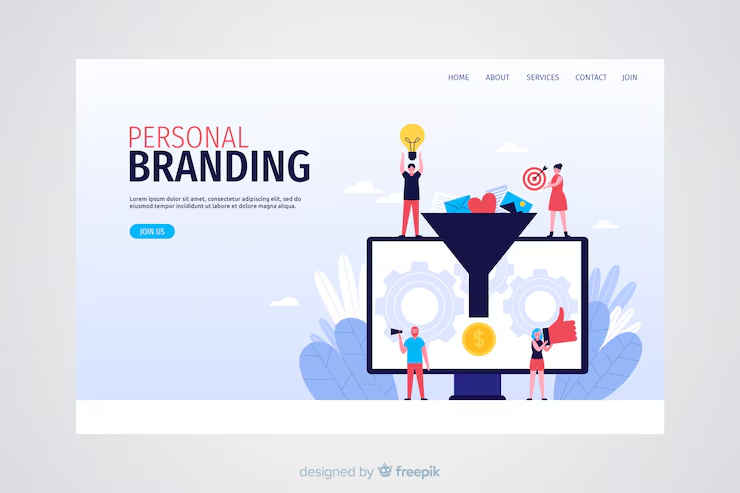
(Your positioning, clearly stated)
Choose the Themes You Want to Be Known For
Your personal brand becomes easier to recognize when people know what conversations you lead. That’s where content pillars come in.
Content pillars are the themes that represent your curiosity, your expertise, and the future you want to grow into. They help your audience understand what to expect, but they still give you room to explore and evolve.
Think of them as recurring threads in the story you’re telling. They keep your content aligned without boxing you into a narrow niche. Strong pillars build discoverability, focus, and long-term audience alignment.
To building a scalable identity, our detailed brand guidelines guide explains how to maintain consistency across all touchpoints.
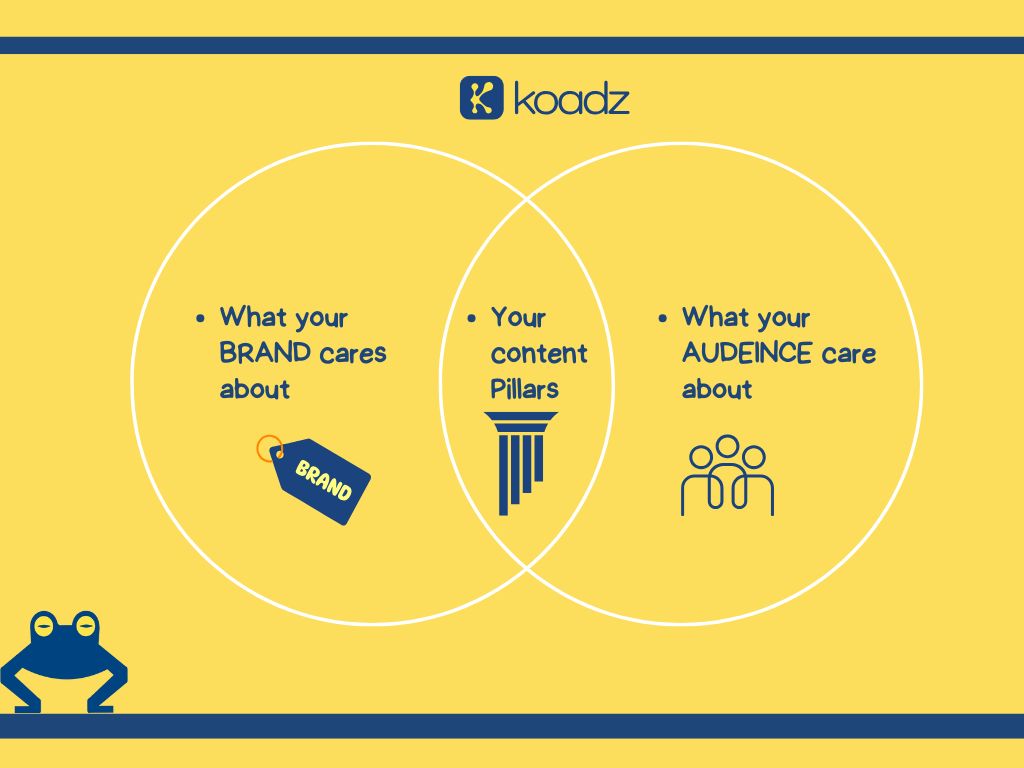
(Where brand focus meets audience interest)
Select Platforms That Match Your Strengths
Not every platform suits every person and in 2026, platform choice matters more than ever.
If writing helps you think clearly, choose text-forward platforms. If you communicate with energy and emotion, video may highlight your strengths. If you prefer depth and long-form ideas, newsletters or YouTube will feel natural.
You don’t need to chase every algorithm. Build consistently on one primary platform and repurpose your work elsewhere. This reduces burnout, maintains quality, and accelerates your growth more effectively than constant multichannel posting.
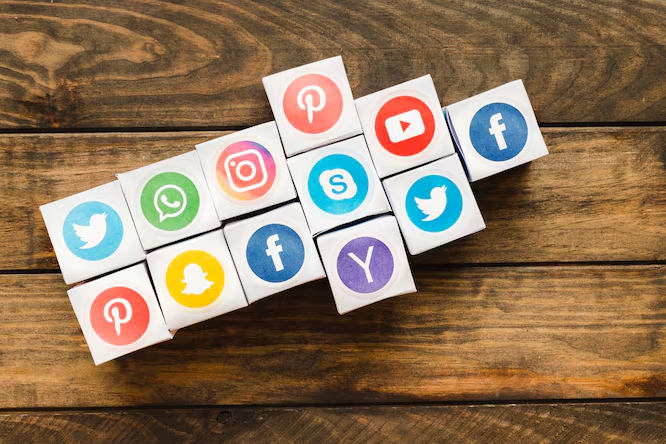
(Choosing platforms that fit your strengths)
Build a Simple, Recognizable Visual Identity
A memorable personal brand isn’t only about words; it’s also about visual predictability. When people instantly recognize your posts, your presence feels stronger.
Choose a small, repeatable color palette.
Select one clean font pairing.
Maintain a familiar layout or visual tone.
You don’t need advanced design skills. Tools like Canva or AI-driven builders such as Koadz make visual consistency accessible to everyone. In a fast-scrolling environment, recognizable visuals signal reliability and professionalism.
To understand how colour influences perception and user experience, explore our full colour psychology breakdown.
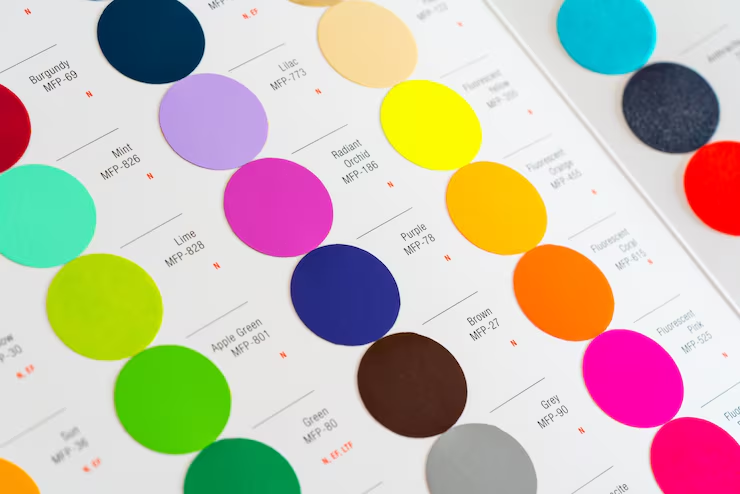
(Brand color selection)
Create a Sustainable Content Routine
Consistency wins in personal branding, but sustainability keeps you from burning out.
A practical routine might look like this:
Capture ideas whenever they arise; notes, voice memos, or quick drafts.
Convert one strong idea each week into a long-form piece.
Break that long-form piece into short posts for various platforms. Schedule, share, reflect, and refine.
This method allows you to show up regularly without feeling overwhelmed. Personal branding doesn’t grow from intensity; it grows from steady repetition and thoughtful refinement.

(Maintaining a sustainable content routine)
Build Credibility With Real Proof
In 2026, credibility is increasingly earned through transparency rather than perfected statements. Audiences connect deeply with creators who reveal not only what they know, but how they think.
Share your reasoning, experiments, challenges, iterations, and lessons. Let people see your progression, not just your conclusions. Proof of growth is more powerful than polished claims of expertise.
You don’t need prestigious achievements to build credibility; you need honesty, clarity, and visible effort.
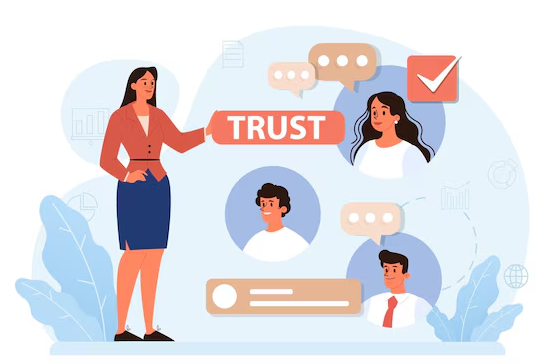
(Building audience trust)
Create a Simple Personal Brand Website
Algorithms evolve every year, but your website remains your digital home base. It serves as the stable anchor of your online identity and increases your presence in search results.
A polished one-page website is more than enough.
Include:
Your positioning sentence
Your story your strongest content
A simple way to contact you or explore more of your work
AI tools like Koadz make it easy to build a clean, cohesive site without technical experience. Your website becomes your long-term foundation, a place that reflects your brand even as platforms shift.
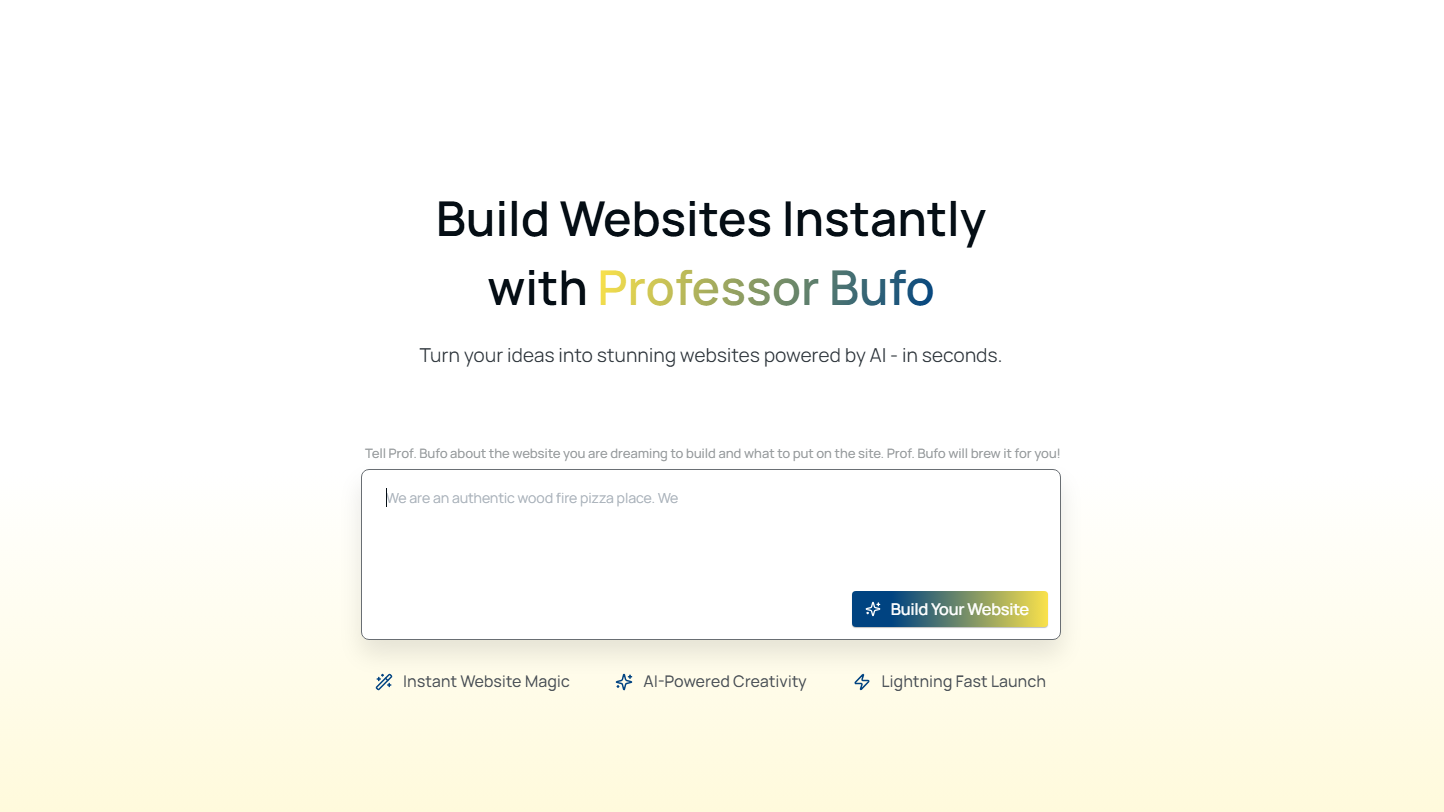
(Build no code Website Builders using Koadz)
Keep Evolving
A personal brand is a living entity. It grows as you grow.
Notice what resonates.
Follow what energizes you.
Adapt when the direction no longer fits.
Reintroductions aren’t a sign of uncertainty; they’re a sign of evolution. The most compelling personal brands in 2026 will belong to people who evolve openly and intentionally, showing their audience what growth looks like in real time
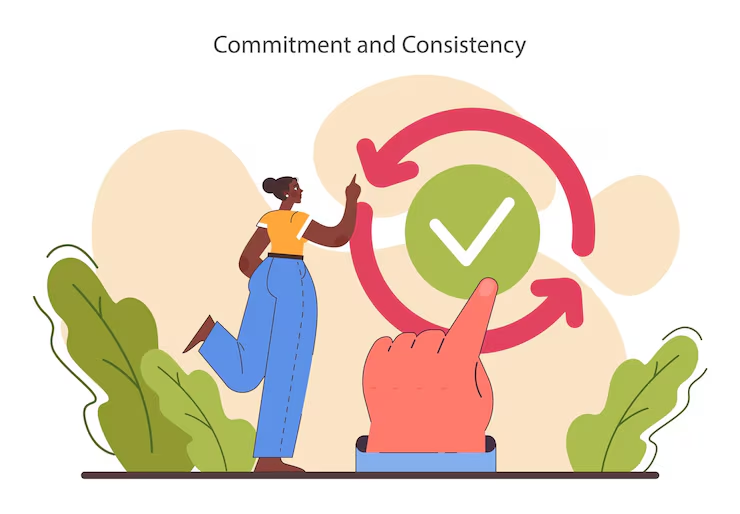
(Consistency is the key)
Final Thoughts
Personal branding in 2026 isn’t about perfection, performance, or polished façades. It’s about communicating who you are with clarity, confidence, and consistency. It’s the story you choose to tell and the way you choose to tell it.
Begin early. Build steadily. Grow with authenticity.

(Personal branding creates opportunity)
In a digital world overflowing with voices, the most valuable thing you can offer is your own. Use it with intention, and it will open doors you didn’t know existed.