
Notion Became the Default Starting Point
Notion quietly turned into the place where almost everything begins. Ideas, notes, plans, drafts, internal docs, portfolios, even temporary websites. One tool, one link, no setup, no ceremony.
That ease creates a false sense of completion. Things feel shared when they’re really just stored. Work feels public because there’s a link, but in practice it’s still private. Organized thinking gets mistaken for publishing.
What Notion Is Actually Built For
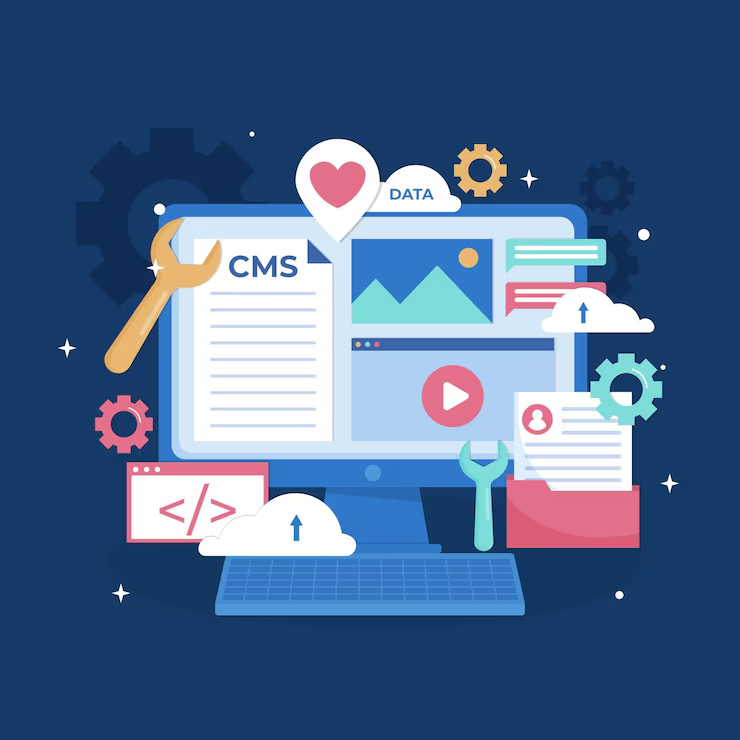
Notion shines as a thinking environment. It’s designed for capturing raw ideas before they make sense, then reshaping them as clarity improves. You can move blocks around, link thoughts, and change structure without friction.
Teams use it because it’s forgiving. Nothing has to be final. Comments stay loose. Drafts stay drafts. Speed matters more than presentation.
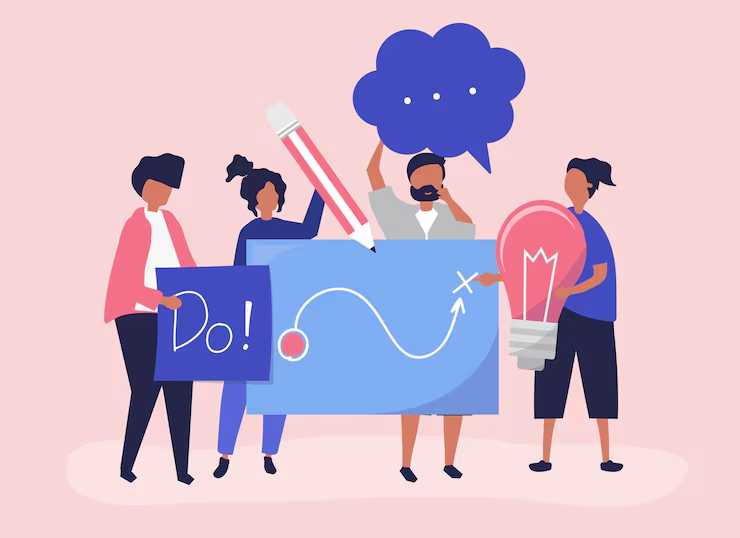
Notion optimizes for clarity for the creator. It doesn’t optimize for first-time readers, and it doesn’t try to.
Internal Clarity Isn’t External Clarity
What feels obvious to you rarely feels obvious to someone else. Notion relies on context that lives in your head or your team’s head.
To a cold reader, pages feel flat. Everything carries the same weight. There’s no clear starting point, and no strong signal about what matters most.
That’s fine internally. Externally, it creates friction. People don’t want to decode your thinking. They want to understand the outcome.
What a Website Does Differently
A website is built to be discovered, not explored. It assumes visitors are busy and unfamiliar.
It has hierarchy by default. Headlines, sections, spacing, and layout guide attention without asking for effort. Search engines and AI systems can index it and surface it when people are looking.
Websites also signal intent. They tell visitors, “this is meant to be seen.”
Notion explains when someone asks. Websites speak before questions are formed.
Where Notion Struggles in Public
To outsiders, Notion pages often feel unfinished, even when the content is solid. Everything looks like a document, which makes it hard to tell what’s important and what’s background.
Branding stays generic. The narrative feels loose. There’s rarely a clear path from interest to action.
Notion works best when someone already trusts you enough to spend time figuring things out. Websites are how you earn that trust with people who don’t know you yet.
Why People Stay in Notion Too Long
Most people don’t stay in Notion because it’s the right tool for the job. They stay because the next step feels intimidating.
Websites bring technical decisions, visual choices, and the pressure to get it right. That pressure slows people down. So they keep telling themselves the Notion page is “temporary,” even as months pass.
This isn’t about laziness or lack of skill. It’s about avoiding friction.
How AI Website Builders Change the Tradeoff
For a long time, the tradeoff was unavoidable. You could think fast in Notion or publish slowly on a website.
AI website builders collapse that gap. They take structured ideas and turn them into usable websites without demanding design judgment or technical setup.
Layout, structure, and responsiveness are handled automatically. You’re not starting from nothing. You’re starting from what you already know.
Instead of choosing between Notion or a website, tools like Koadz let you move from internal clarity to public presence without losing momentum.
Choosing the Right Tool by Stage
Early thinking belongs in Notion. Drafts, planning, and internal alignment work best there.
The moment something needs to be understood by people outside your team, it belongs on a website. That transition used to be expensive in time and effort. Now it isn’t.
Lower friction changes behavior. People stop waiting for “perfect” and start showing up earlier.
This Is Really a Visibility Choice
Notion helps you understand your ideas.
Websites help the world understand you.
The smartest builders don’t replace one with the other. They use Notion to think clearly, then use tools like Koadz to show up clearly.

That isn’t a productivity decision. It’s a decision about visibility.