
Buyers Don’t Read, They Scan for Safety
People don’t land on your site curious. They land cautious.
They skim fast, looking for signs that you’re real, reliable, and not going to waste their time or money. Most of that judgment happens in seconds.
They’re not reading your story. They’re scanning for reassurance.
That’s why long homepage copy often gets ignored. It assumes attention that isn’t there.

This behavior lines up with how attention has shifted overall, something explored in Why Attention Is the New Currency for Small Businesses in 2026.
The Real Questions Are Already in Their Head
By the time someone hits your homepage, doubts are already forming.
How long will this take to ship?
What if it doesn’t fit?
What happens if something goes wrong?
They’re not looking for inspiration. They’re looking for answers that let them move forward without stress.
If those answers aren’t easy to find, they leave.

What a Homepage Is Meant to Do
A homepage sells the idea.
It shows the product in its best light. It sets the tone. It tries to make someone feel like they’ve found the right place.
That’s useful, but it’s abstract.
Headlines and visuals can create interest, but they don’t resolve uncertainty. They don’t deal with the small, practical fears that stop someone from clicking “buy.”
What an FAQ Does Differently
An FAQ works on a different level.
It doesn’t sell a vision. It removes friction.
Psychologically, it feels like a private conversation. Someone asks the exact thing the buyer is worried about, and the answer is right there. No guessing. No assumptions.
That shift matters. When unknowns disappear, hesitation drops with them.
When structure removes doubt instead of adding noise, conversion improves for the same reason explained in Why Clean Websites Convert Better Than “Creative” Ones.
Teams using tools like KOADZ often surface these answers faster because updating and testing site content doesn’t require heavy rebuilds.
Anxiety Is the Real Conversion Killer
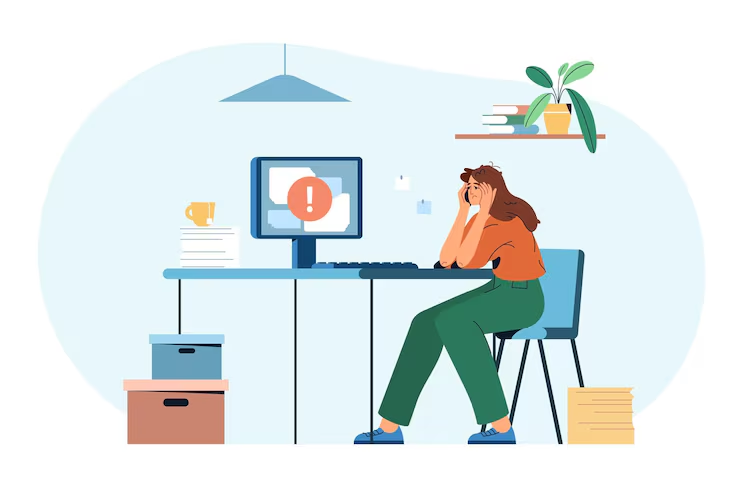
Most abandoned carts aren’t about price.
They’re about unanswered questions.
Shipping delays. Return policies. Sizing confusion. What happens after checkout. These aren’t exciting topics, but they decide the sale.
A good FAQ spells these out plainly. No fluff. No hiding behind policies.
When people feel informed, they feel safe enough to proceed.
Not All Questions Are Equal
Some questions don’t help conversions at all.
Things like brand history or vague mission statements don’t move decisions forward. They fill space, but they don’t reduce risk.
The questions that matter usually fall into a few categories.
Logistics questions tie directly to checkout. How long shipping takes. Whether orders can be tracked. Where things ship from.
Money questions deal with regret. How returns work. How fast refunds happen. What happens if something arrives damaged.
Product-specific questions go deeper than the product page. Fit comparisons. Material durability. Real-world use.
Then there are edge cases. Cancelling after ordering. Changing addresses. Gift options. Small things that quietly block purchases if ignored.
These questions don’t come from brainstorming. They come from real customers.
Support emails are the best source. Patterns show up fast when you review them regularly.
FAQs Reduce Friction Beyond the Sale
Strong FAQs don’t just help conversions.
They cut support volume by answering the same questions before they’re asked. That frees up time for issues that actually need human help.
They also speed up decisions. Buyers don’t have to wait for an email reply to feel comfortable. They can decide in the moment.
There’s a search benefit too. FAQs often match how people actually search, which brings in traffic already looking for specifics.
Linking answers directly to product pages keeps people moving forward instead of bouncing out.
This reduction in back-and-forth becomes critical as volume grows, a challenge outlined in Scaling Customer Support in High-Growth Businesses.
Clarity Does the Heavy Lifting
FAQs aren’t exciting. They don’t look impressive.
But they do something persuasion alone can’t.
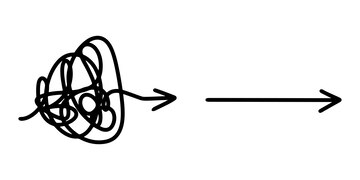
They replace uncertainty with clarity.
Maintaining that clarity over time is easier when teams rely on systems like KOADZ to keep answers consistent as products and policies evolve.
And clarity is usually what buyers are waiting for before they commit.