Most people have typed a web address into a browser without thinking twice about what it actually is or how it gets them where they want to go. A domain name is one of those things that feels technical on the surface but is actually straightforward once someone explains it properly.
A domain name is the address of a website. It’s what people type into a browser to find a specific site online. Google.com is a domain name. So is Amazon.in. So is whatever address a business chooses when it decides to get serious about its online presence.
Without a domain name, a website would only be reachable through a long string of numbers called an IP address. Nobody is going to remember that. Domain names exist to replace those numbers with something human readable and memorable.
How It Actually Works
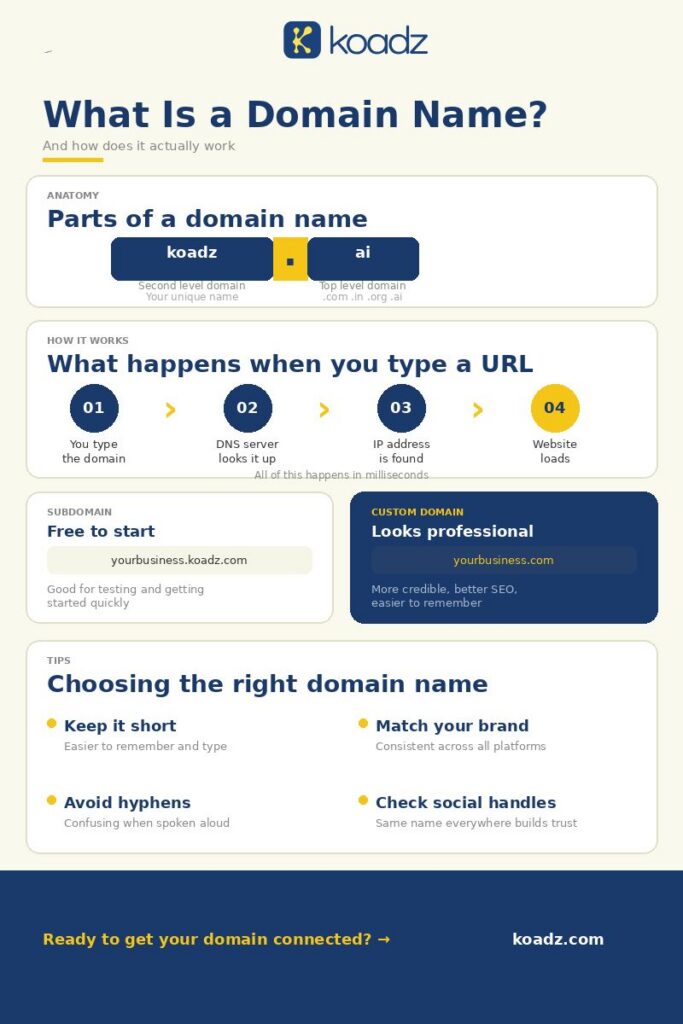
When someone types a domain name into a browser, a few things happen behind the scenes in a fraction of a second.
The browser sends a request to something called a DNS server, which stands for Domain Name System. Think of it as the internet’s address book. The DNS server looks up the domain name, finds the IP address it points to, and connects the browser to the right server where the website lives.
All of that happens before the page even starts loading. It’s invisible and instant but it’s what makes the whole system work.
The Different Parts of a Domain Name
A domain name has a few components worth understanding.
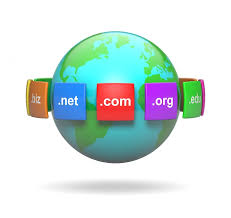
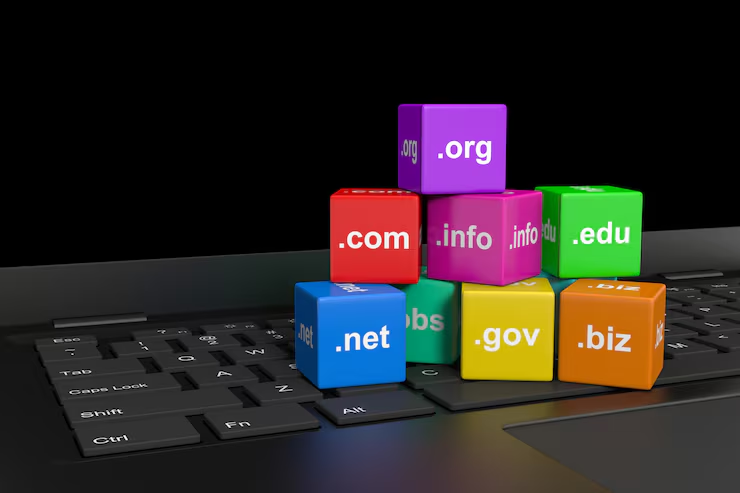
The main part is called the second level domain. That’s the unique name a business or person chooses. The part that comes after the dot is called the top level domain or TLD. The most common one is .com but there are hundreds of others. .in for India, .org for organisations, .ai for technology and AI focused businesses, and many more.
Together they form the full domain name that people type to find a site.
Subdomain vs Custom Domain
When a website is first created on most platforms it comes with a subdomain. Something like yourbusiness.platformname.com. That works perfectly well for getting started and testing whether a website brings in any results at all.
A custom domain is when a business registers its own address, like yourbusiness.com, and points it to the website. The difference matters more than most people realise.
A custom domain looks more credible than a subdomain. It signals that the business is established and worth trusting. It’s easier to remember, easier to put on a business card, and easier to share verbally. Search engines also treat a branded domain differently from a subdomain, which matters for any business trying to build search presence over time.
If building a proper website to connect that domain to is the next step, How to Build Your First Website with Koadz AI walks through the whole process from sign up to publish in plain language.
Most website builders, including Koadz’s paid plans, support custom domain mapping. This means a domain purchased separately can be connected directly to the website so visitors see the business’s own address rather than a platform subdomain.
How to Get a Domain Name
Domain names are purchased through registrars. These are companies that manage domain registrations. Some well known ones include GoDaddy, Namecheap, and Google Domains. The process is simple: search for the name, check availability, pay an annual fee, and it’s registered for as long as the renewal is kept up.
Prices vary depending on the TLD and the registrar. Popular names in high demand cost more. Most straightforward business names are available at a reasonable annual cost.
Once purchased it gets connected to the website through the domain settings, a process called DNS configuration or domain mapping depending on the platform being used.
Before going live with a newly connected domain, it’s worth running through the Beginner Website Checklist: 12 Things to Prepare Before You Launch to make sure nothing important gets missed in the process.
Choosing the Right Domain Name
A few things worth keeping in mind when picking one:
Keep it short. Shorter names are easier to remember and harder to misspell.
Make it match the business name as closely as possible. Consistency across the business name, social handles, and domain builds recognition over time.
Avoid hyphens and numbers. They create confusion when shared verbally and look less professional.
Pick a TLD that fits the business. For most Indian businesses .com or .in are the safest choices. For tech and AI companies .ai has become increasingly common and credible.
Check social media availability too. Ideally the same name should be available across the domain and the main platforms the business plans to use.
Why Getting the Domain Right Early Matters
A domain name is one of the smallest investments a business makes and one of the most permanent parts of its online identity. Once a name gets associated with a brand, changing it later creates confusion and can set back the search presence built up over time.
Getting it right early, registering it before someone else does, and connecting it to a properly built website sets up the online presence in a way that grows with the business rather than creating problems to fix later.