
Most founders don’t wake up one morning thinking, “I should sit down and write brand guidelines today.”
Brand guidelines feel like something big companies obsess over, but something you deal with after you hit scale, not while you’re still shipping your first versions.
But the truth is almost the opposite.
The earlier you define how your brand looks, feels, and sounds, the faster you move, the more consistent you become, and the more premium your product appears. And in a world where every category is crowded, the brand that looks intentional wins.
So let’s break down what brand guidelines actually are, why they matter far more than you think, how great brands use them, and how you can put yours into action instantly with Koadz (without manually rebuilding them into your website)
What Brand Guidelines Actually Are
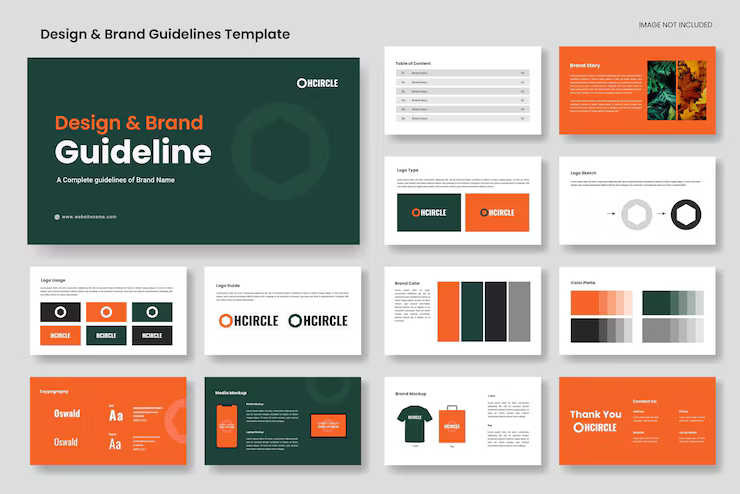
(A template of design and brand guidelines)
Brand guidelines are a documented set of rules that define your brand’s visual and verbal identity. They act as a reference manual for anyone creating content, designing assets, writing copy, or building a website. The goal is to eliminate guesswork and ensure every output feels consistently connected to the company.
At their core, brand guidelines answer three key questions:
- How should the brand look
- How should the brand speak
- How should the brand be experienced across digital and physical touchpoints
Whether a document is ten pages or fifty, guidelines provide a practical structure for decision-making and brand expression.
Why Brand Guidelines Are Important
Brand guidelines matter for reasons beyond aesthetic consistency. They have real operational benefits that help a business scale efficiently
1. They create trust through consistency
A consistent brand looks reliable and well-managed. People associate quality with coherence. When visuals, messaging, and tone feel aligned, the company appears more professional and credible. This has a direct impact on how potential customers perceive the brand

(A brand should be consistent across all platforms and designs)
2. They improve the speed of content and design creation
Without guidelines, teams repeatedly ask the same questions about colors, fonts, spacing, tone, or layout. Guidelines eliminate these repetitive decisions. They allow designers, marketers, and copywriters to work faster because the foundational choices are already made.
3. They prevent brand drift as your company grows
When multiple people contribute to a brand, interpretation varies. A clear guideline document prevents this drift by providing a single authoritative source for all creative decisions (The user shouldn’t receive a new messaging just because you hired a new content writer)
4. They help maintain a premium and intentional identity
Quality brands are built through repetition. Guidelines ensure that your identity appears deliberate, polished, and consistent over time. This is what makes large brands recognisable at a glance and why companies invest heavily in maintaining strict brand systems.
What Should Be Included in Modern Brand Guidelines
Although specific formats differ from company to company, most strong brand guideline documents include the following elements. Their purpose is to offer enough clarity that anyone can produce brand-aligned output without needing supervision.
Brand foundation
A brief section that covers the brand’s mission, vision, values, and personality. This helps creators understand the purpose and emotion behind the brand.
Logo system
Rules for logo usage, spacing, scaling, placement, and variations. This prevents distortion or incorrect application.
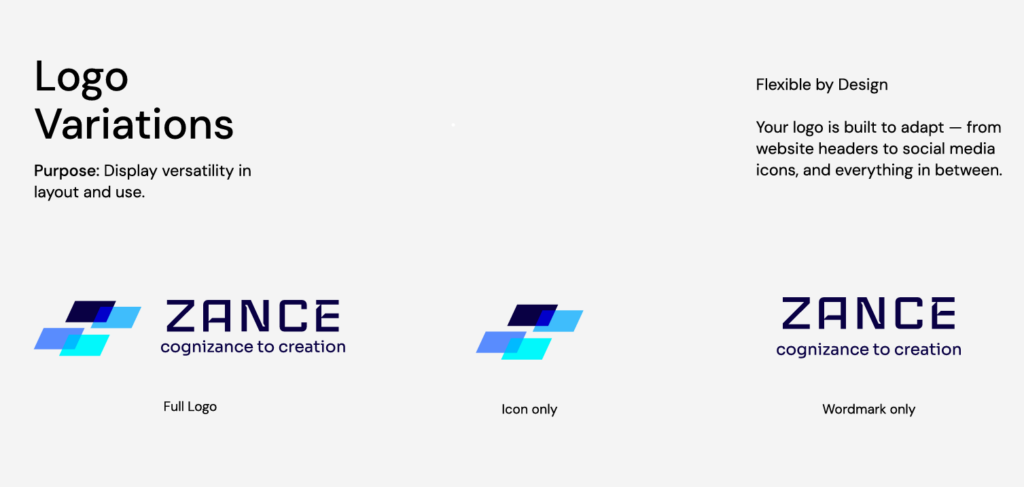
(A simple showcase of how the same logo can be in variations)
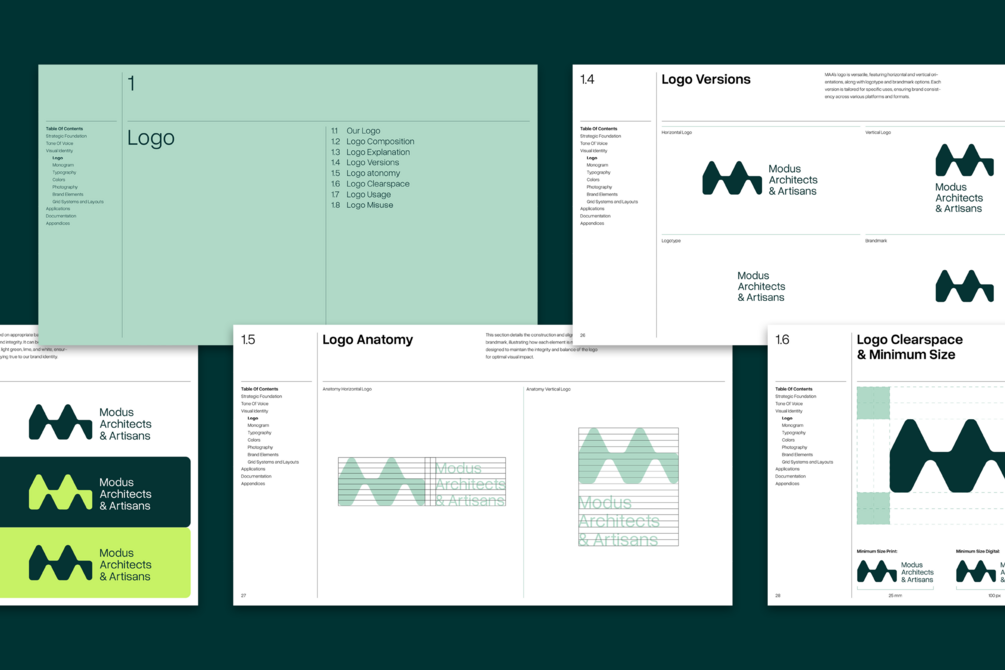
(An example of Logo designing )
Color palette
Primary, secondary, and accent colors with their exact HEX, RGB, and CMYK values. Clarity at this level reduces inconsistencies across digital and print assets.
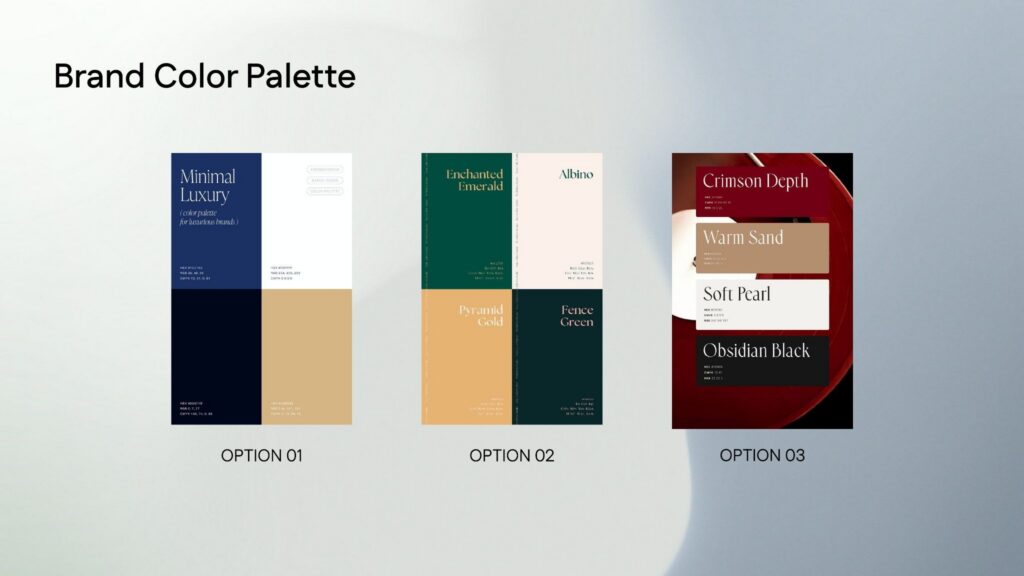
(A set of color palettes )
Typography
Approved fonts, hierarchy structure, weights, and examples of how typography should appear in headings and body text.
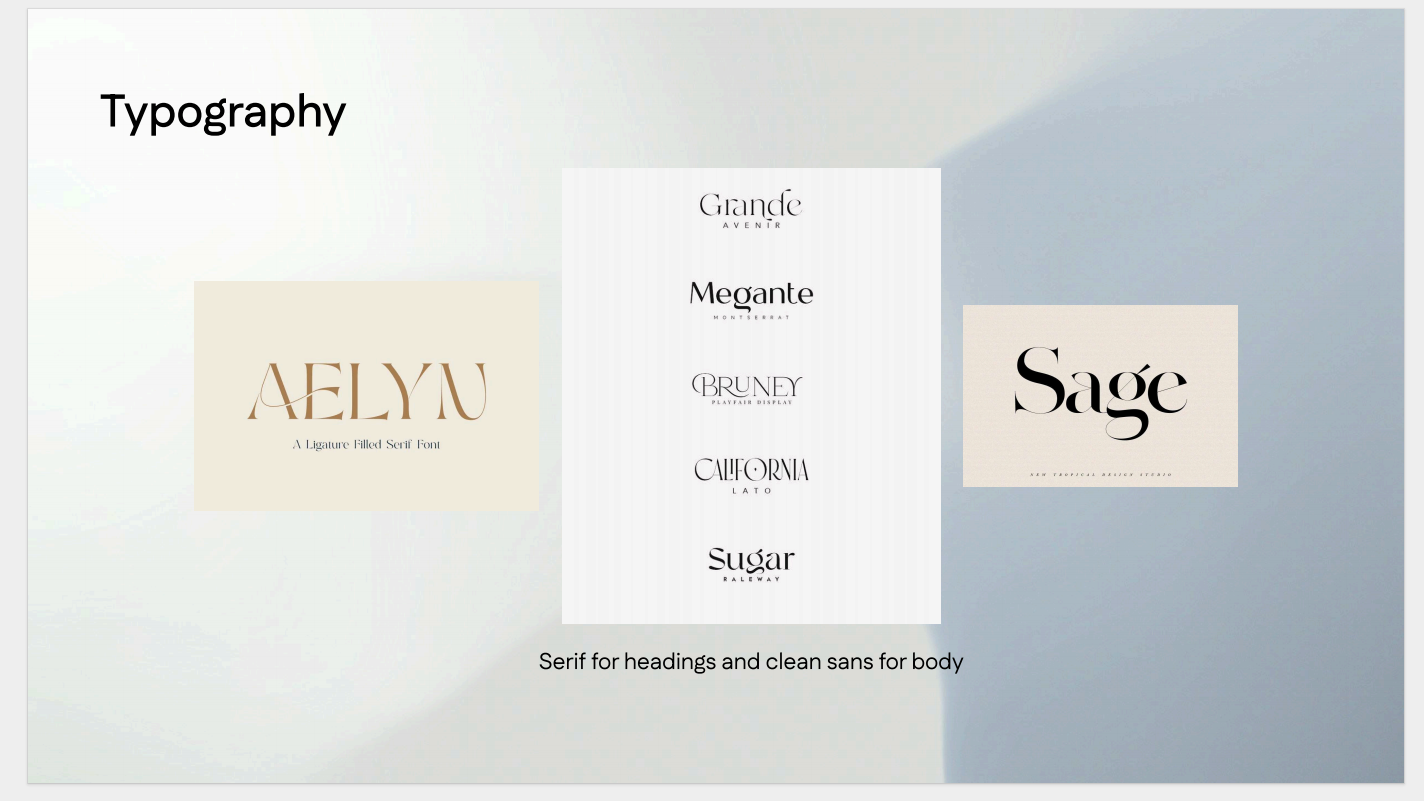
(Font pairs that work beautifully together for modern brands)
Imagery and photography style
Guidance on the mood, subjects, lighting, and treatment of photography used across the brand.
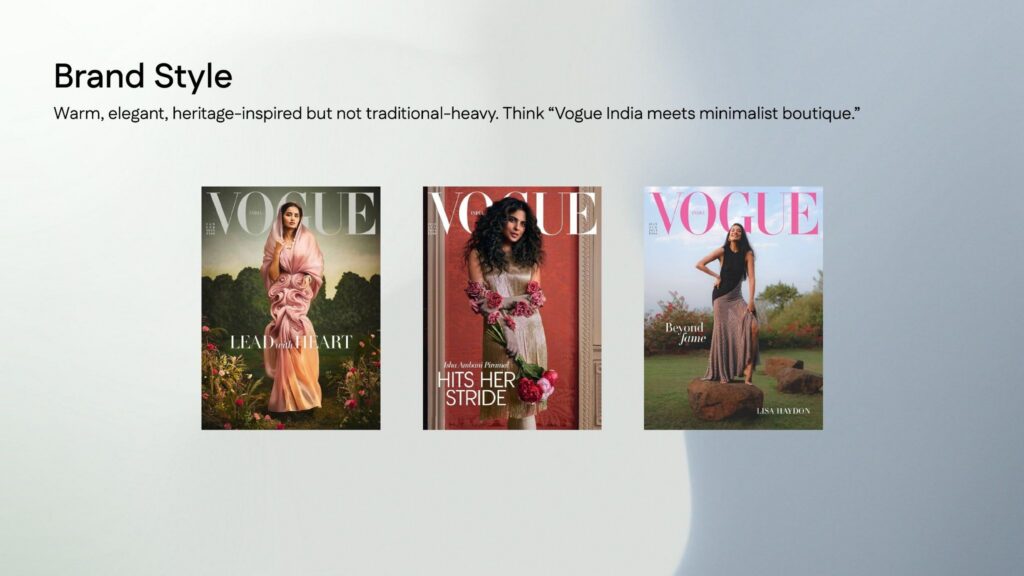
((An example of brand style ensuring consistency)
Illustration and iconography style
Specifications for icons or illustrations to maintain visual harmony across designs.
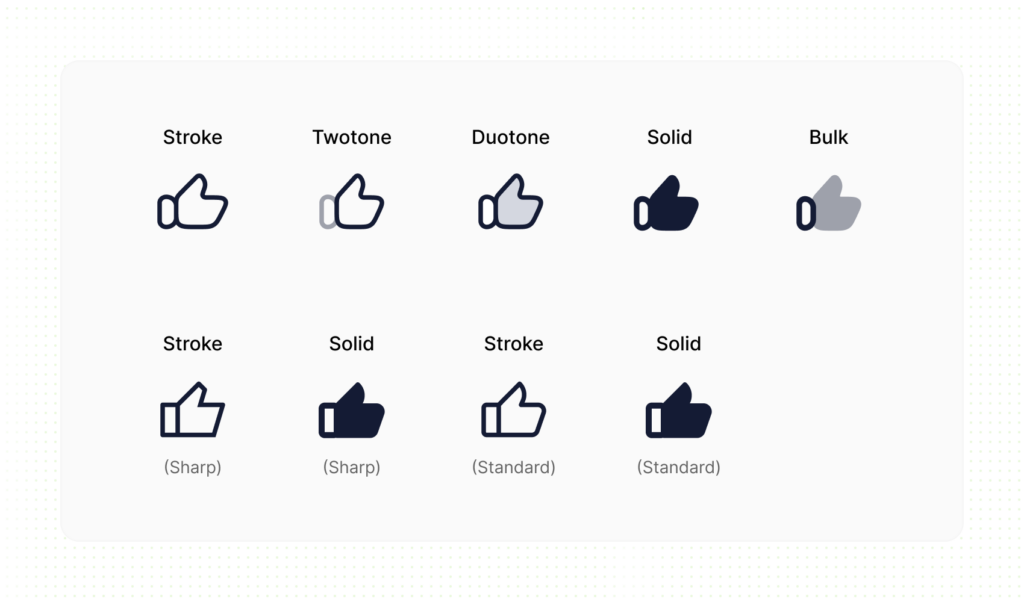
(An example of variations of Iconography)
Tone of voice
Guidelines that clarify the language style, personality, and communication approach of the brand. This includes examples of suggested phrasing and phrases to avoid.
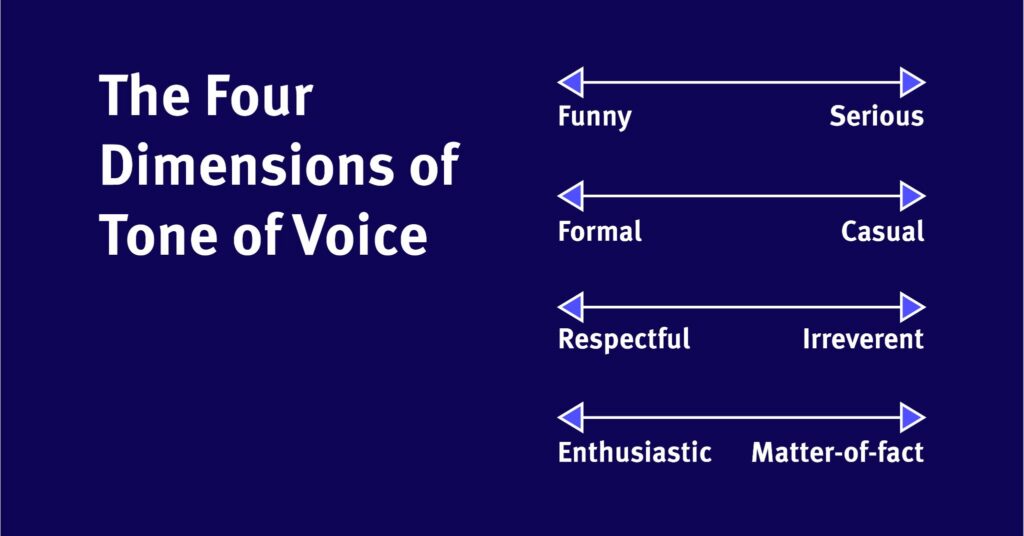
(The four dimensions of tone of voice)
Layout and spacing system
Grid rules, spacing standards, and composition principles that influence the structure of digital and printed layouts.
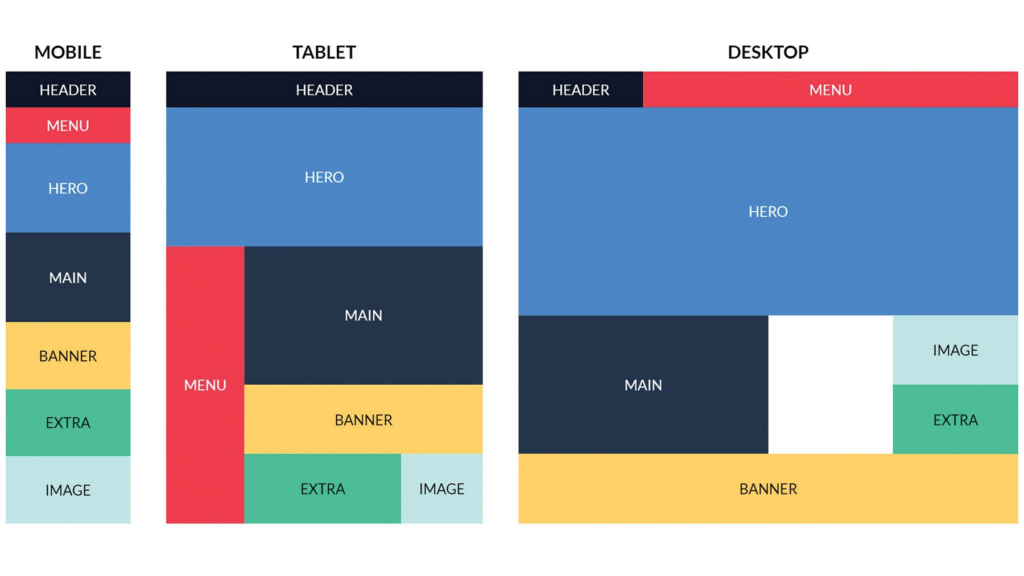
(Grid, spacing, design layout of a website across different devices)
Examples of the brand in use
Pages and examples that show real-world applications such as website pages, social media posts, promotional material, or packaging. This section helps creators understand how the guidelines translate into actual output.
Examples of Strong Brand Guidelines
Well known brands invest heavily in creating comprehensive guideline systems. A few examples illustrate how they approach brand consistency.
Slack creates guidelines that prioritize friendliness, warmth, and approachability. Their color choices, rounded design elements, and conversational tone all align with the brand’s purpose of making communication easier.
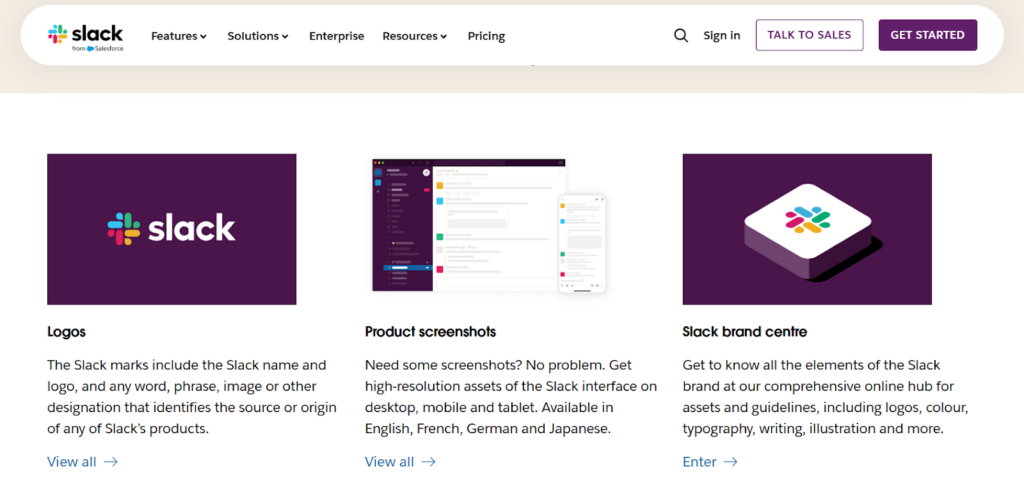
(Slack’s brand guidelines)
Airbnb focuses on human connection and belonging. Their photography style and open layout structure reflect this intention.
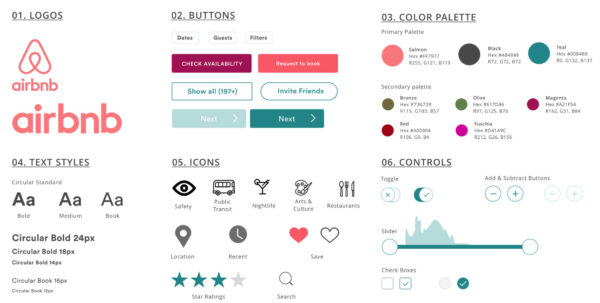
(Airbnb’s brand guidelines)
Spotify demonstrates fluidity and energy through expressive color usage and bold compositions, matching the dynamic nature of music discovery.
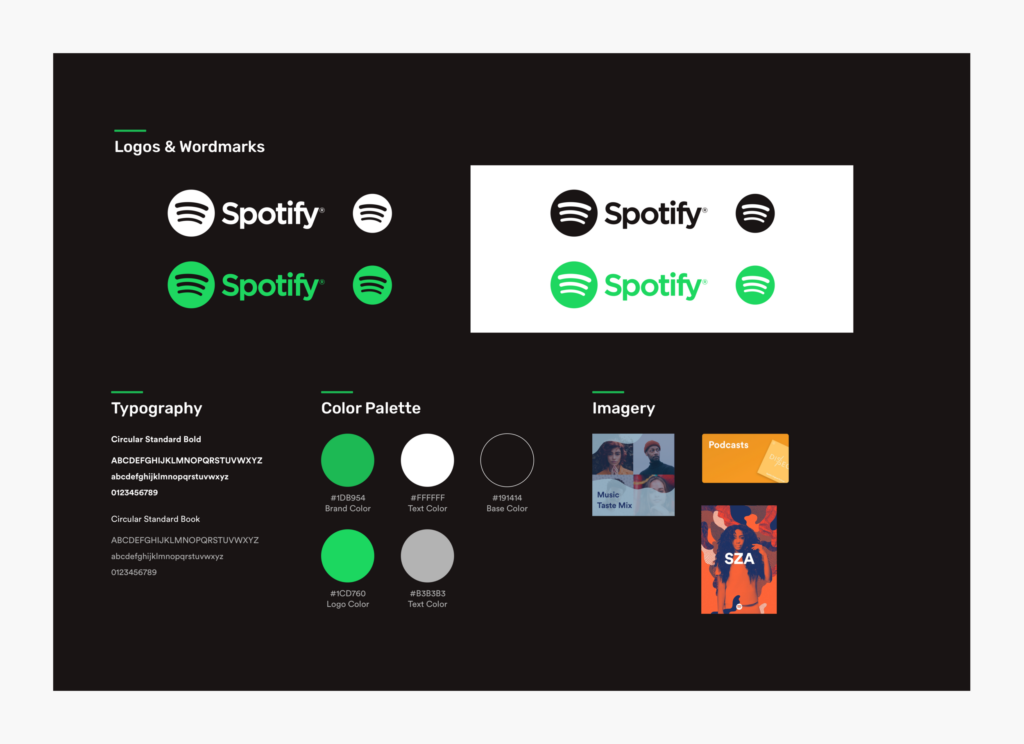
(Spotify’s brand guidelines)
Netflix uses a minimal but powerful identity with strong contrasts and cinematic imagery. Their guidelines emphasize clarity and boldness.
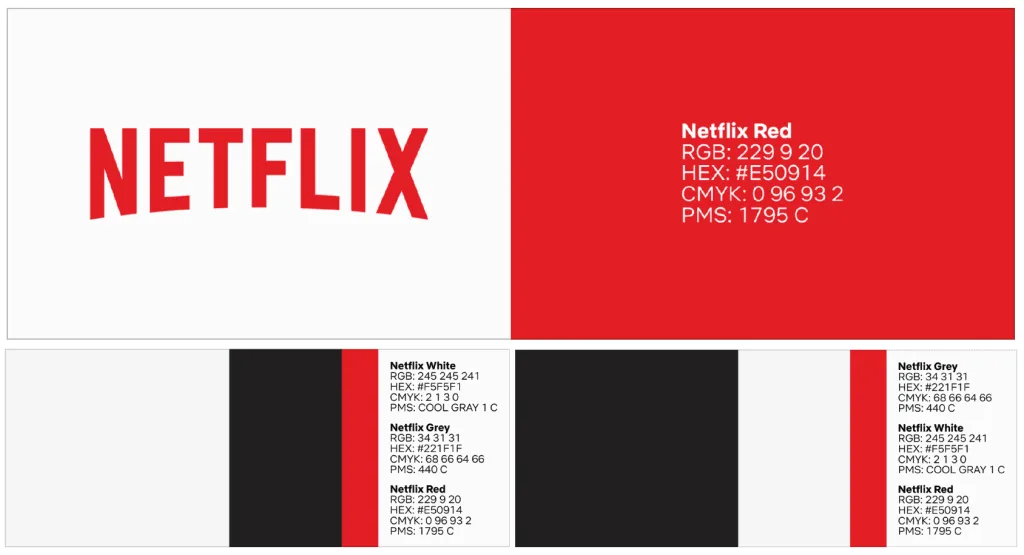
(Netflix’s brand guidelines)
Coca Cola has one of the most iconic guideline systems in the world, built around precise colors, distinctive typography, and unmistakable imagery.
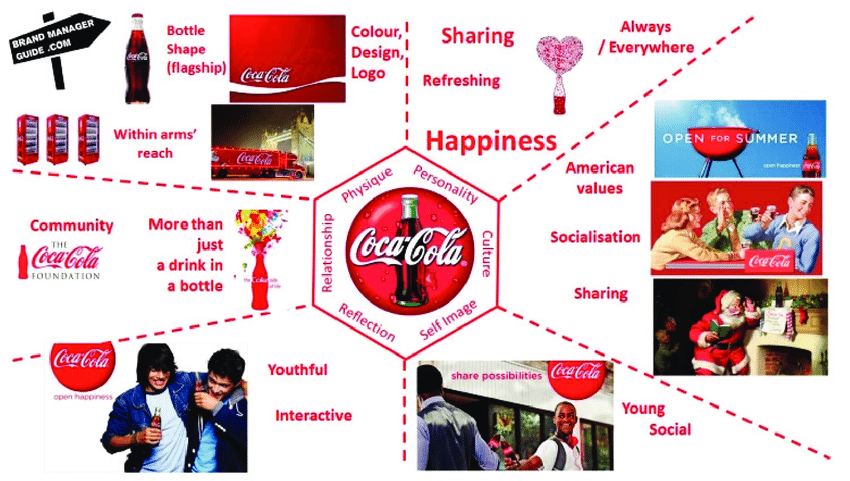
(Coca Cola’s brand guidelines)
These examples highlight that the strength of a guideline system comes from its clarity and long term commitment, not from how complex it is.
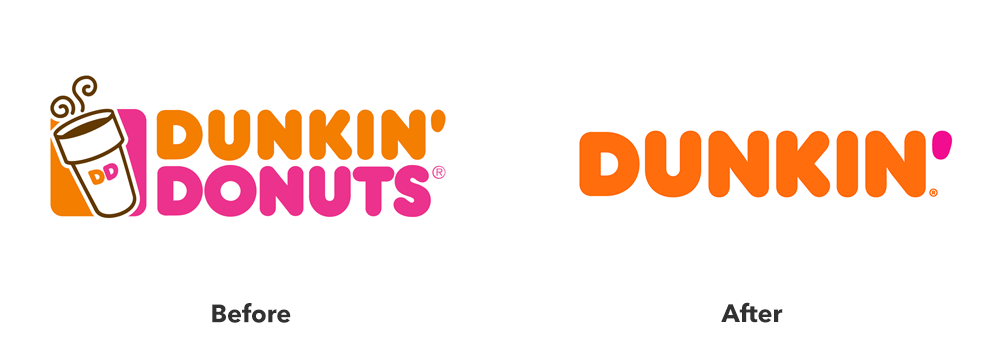
(Before vs After of a brand that stays consistent)
The Gap Between Creating Guidelines and Actually Using Them
Most companies do create brand guidelines at some point, but very few manage to apply them consistently. The breakdown usually happens at the execution stage. A PDF or Notion document cannot enforce consistency by itself. It relies on people manually applying each rule.
This becomes tedious and error prone. Website builders require repeated manual adjustments. Designers must restyle components frequently. Marketers and content creators forget specific rules. Over time, inconsistencies build up across platforms, even with the best intentions.
This execution gap is the reason many guidelines fail to influence the brand’s real output.
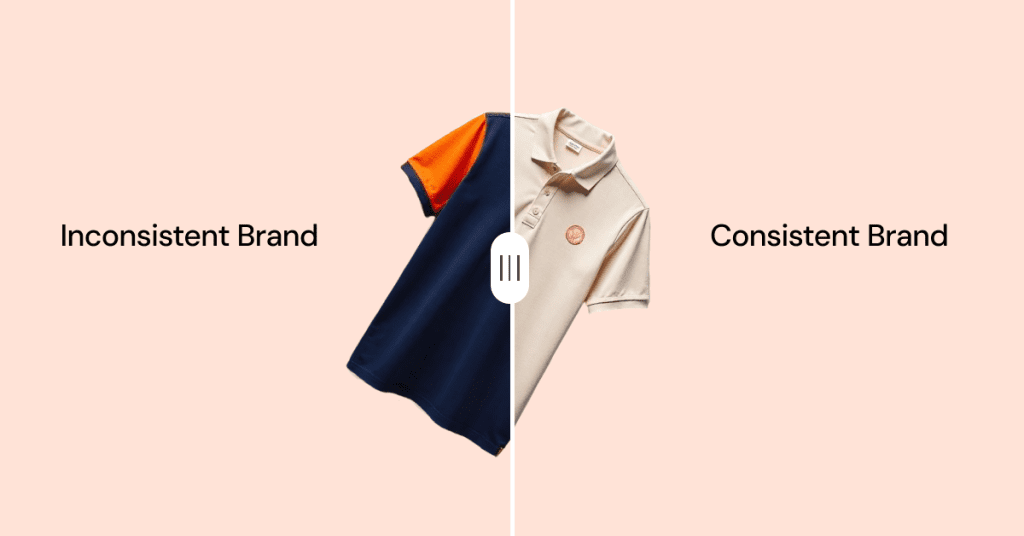
(Inconsistent Brand vs Consistent Brand)
How Koadz Helps You Apply Brand Guidelines Instantly
Koadz solves this common problem by transforming brand guidelines into active design rules that automatically apply across your entire website.
Instead of relying on manual implementation, Koadz lets you set your brand elements one time. After that, the platform applies your guidelines everywhere without additional effort.
Here is how it simplifies the process:
You add your brand basics
Logo, colors, fonts, and brand personality.
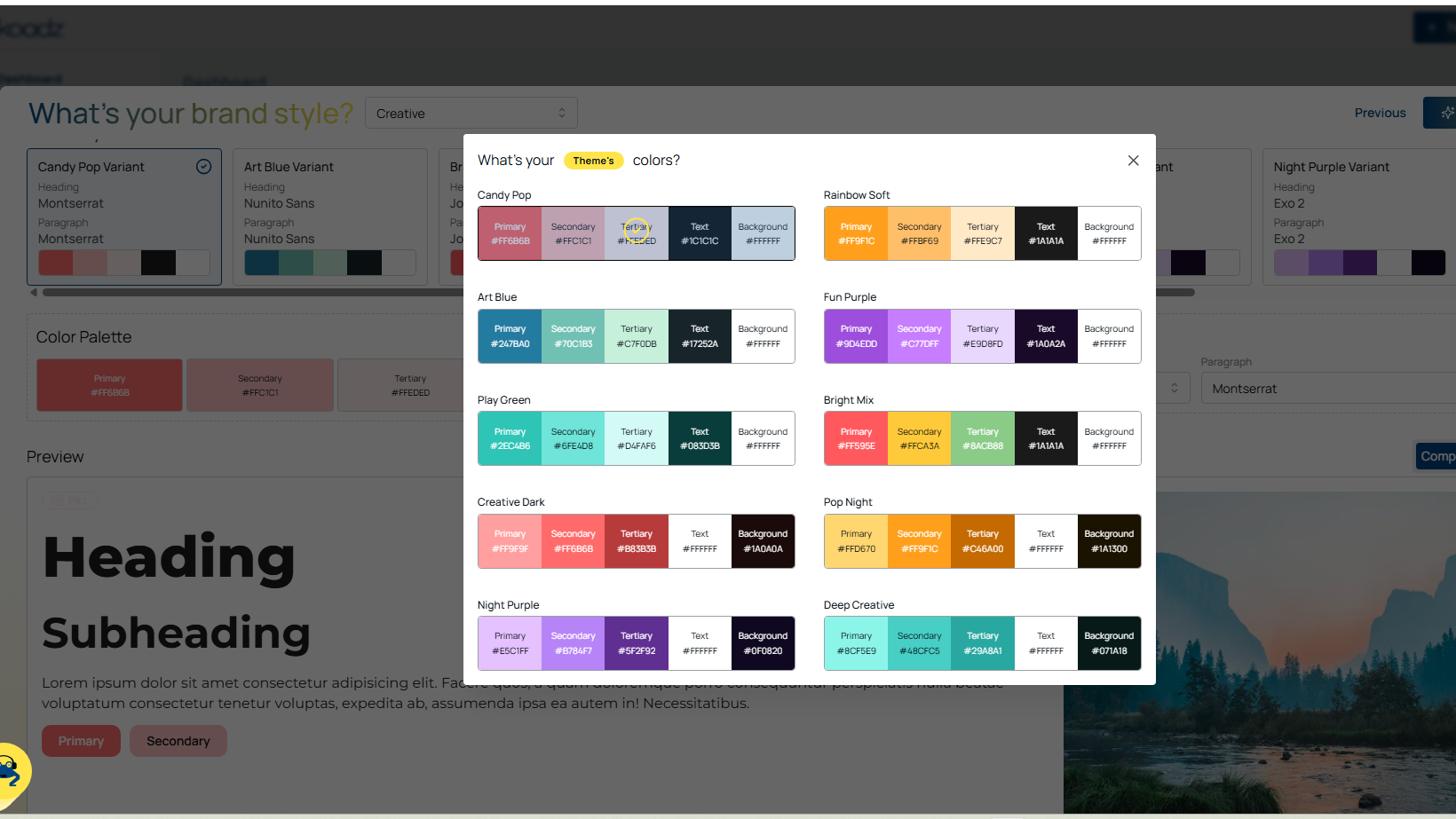
(A showcase of different color pallets on Koadz to maintain brand consistency)
Koadz automatically applies your brand system
The entire website adjusts to your guidelines. Typography, buttons, spacing, layouts, cards, and components consistently follow your rules.
Any update applies instantly
If you change a color or update a font, the entire site updates automatically. This makes brand evolution simple and risk free.
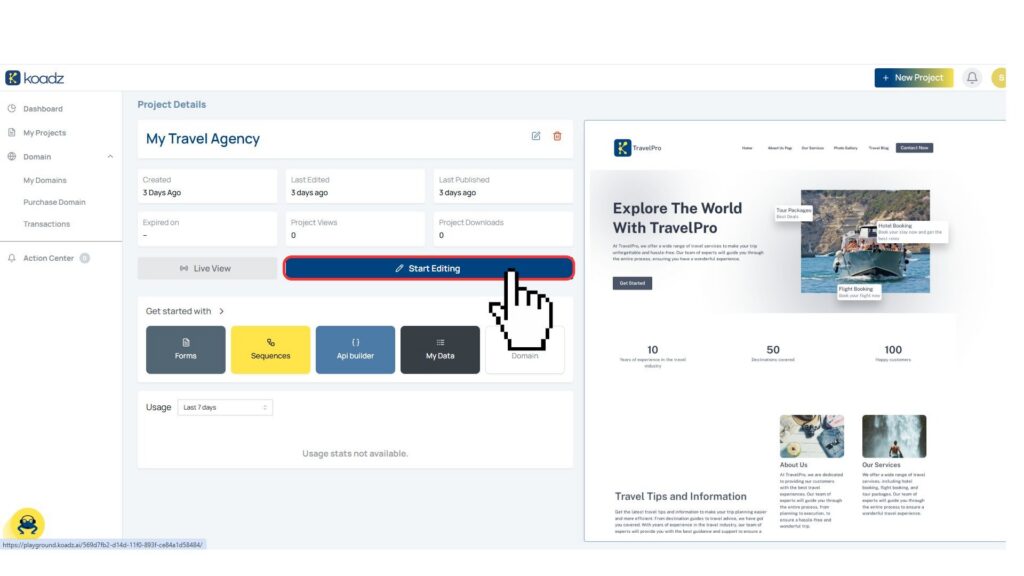
(Instant updates mean your brand evolves smoothly without the risk of inconsistencies)
Teams avoid accidental inconsistencies
No one can unintentionally break the brand. The system ensures every section stays aligned.
The result is a website that reflects your guidelines accurately, without the repetitive manual work normally required in traditional builders.
Conclusion
Brand guidelines are more important than ever for growing companies. They create consistency, speed up production, support brand recognition, and help your company present itself in a clear and professional manner. They are a foundation that influences everything from design to communication.
However, the true value of brand guidelines is only realized when they are applied consistently across real touchpoints. This is where many companies struggle, particularly when using traditional website builders or working with multiple contributors.