
Why New Customers Get All the Attention
Most businesses talk about growth like it starts and ends with new customers.
New traffic. New leads. New buyers. That’s where the energy goes, mostly because it’s visible. You can watch it happen. You can point at a number and say, this worked.
Returning customers don’t show up that way.
They don’t announce themselves. They just come back. Or they don’t. And when they don’t, it usually gets written off as normal churn instead of something worth digging into.
The First Purchase Isn’t the Win
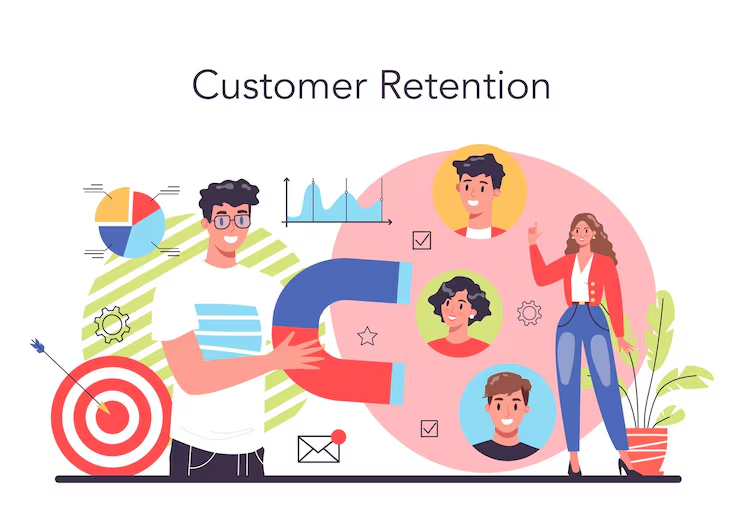
A first purchase doesn’t mean much on its own.
It just means someone took a chance. It doesn’t mean they were satisfied. It doesn’t mean they’ll remember you next month.
It’s closer to a test run than a success.
The real value starts when someone chooses you again without needing to be pushed.

What Changes the Second Time Around
By the second purchase, the situation is different.
They already know the downside. They know how checkout works. They know if support responds. They know whether the product matched what was promised.
That knowledge shortens everything.
They don’t browse as long. They don’t compare as much. They don’t need to re-evaluate whether you’re legitimate. The decision feels lighter.
That’s why repeat purchases tend to happen faster. Not because of loyalty or emotional attachment, but because the work of deciding is already done.
How Acquisition Hides Problems
When a business leans too hard on new customers, costs rise quietly.
Ad spend goes up. Competition increases. Margins tighten. And none of that fixes the underlying issue if people aren’t coming back.
Acquisition can cover up weak fundamentals for a long time. You can keep replacing customers who leave without ever understanding why they left.
Retention doesn’t let you hide like that.
This confusion between activity and health shows up often, especially when teams blur the line between growth and sustainability, as explored in Why Revenue Is Not the Same as Profit and Why Confusing Them Kills Businesses.
What Non-Returning Customers Are Really Saying
If customers don’t return, something didn’t land.
Maybe delivery was slow. Maybe expectations were off. Maybe the experience after payment felt sloppy or forgettable.
These things don’t always show up in metrics. They show up in absence.
And absence is easy to ignore when new customers keep arriving.
Many of those silent exits come down to friction customers never mention, a pattern broken down in Why Clean Websites Convert Better Than “Creative” Ones.
For teams addressing this, KOADZ helps make small experience changes quickly without turning every fix into a full redesign
The Quiet Benefits of Repeat Customers
Returning customers do more than just buy again.
They make revenue easier to predict. They reduce how often you need to react with discounts or last-minute campaigns. They refer others without being asked, because recommending something familiar takes little effort.
They also give better feedback. Not emotional complaints, but specific issues. That usually comes from people who want the product to improve, not people who are already gone.
Lifetime Value Reflects How the Business Operates
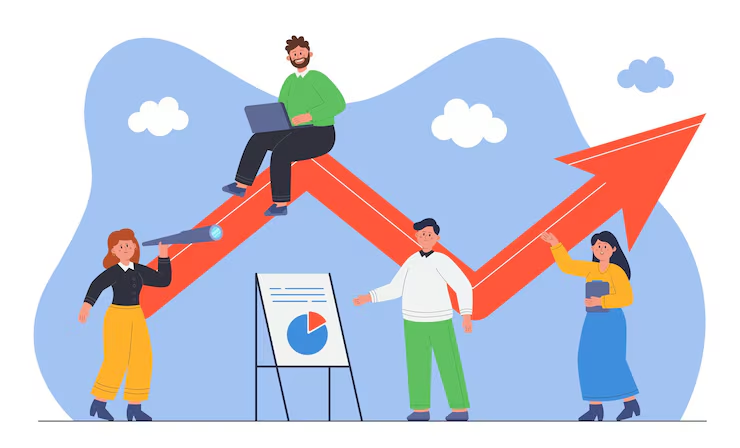
Lifetime value isn’t just a finance number.
It shows how long the relationship lasts. Low lifetime value usually means the experience ends too quickly. No follow-up that matters. No reason to return. No continuity.
Improving it rarely requires clever ideas. It usually requires noticing where people drop off and asking whether coming back feels worth the effort.
This is especially clear when support and follow-through break down at scale, something covered in Scaling Customer Support in High-Growth Businesses.
Why Segmentation Is Really About Respect
Segmentation doesn’t need to be sophisticated.
Someone who bought once shouldn’t be treated the same as someone who’s bought five times. When they are, it sends a clear signal that their history doesn’t matter.
Relevance comes from context, not personalization tricks.
Familiarity Is Where Value Builds
Returning customers don’t need excitement.
They need things to work the way they expect. Consistency builds familiarity. Maintaining that consistency becomes easier when teams rely on tools like KOADZ to keep customer-facing pages aligned as the business evolves.
Familiarity creates comfort. Comfort leads to repeat behavior.
None of this looks impressive from the outside.
There are no spikes. No big launches. No screenshots that perform well online.
Just customers who stay longer than average.
That’s where most of the value ends up, whether the business is paying attention or not.