
Why Features Feel Like Progress
Most teams default to features because they’re concrete.
You can point to them. Demo them. Ship them. They show up neatly on roadmaps and sprint reviews. Stakeholders nod. Progress feels visible.
Processes don’t behave like that.
They don’t ship. They don’t screenshot well. They usually slow things down before they speed anything up. So teams postpone them and keep building.
It feels productive, even when it isn’t.
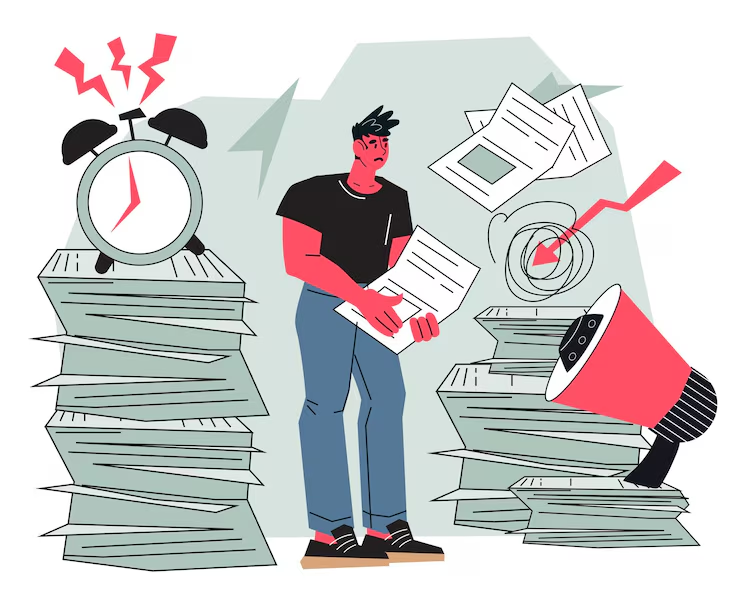
This pattern mirrors how visible activity often gets mistaken for real progress, a confusion unpacked further in Why Revenue Is Not the Same as Profit and Why Confusing Them Kills Businesses.
Features Scale Software, Not Teams
Features expand what the product can do.
Processes expand what people can handle.
That distinction gets missed early on because small teams can brute-force problems. Everyone knows everything. Decisions happen fast. Gaps get patched with effort.
As the team grows, that stops working.
Adding features without supporting systems just increases the load on the same people. More things to maintain. More edge cases. More confusion.
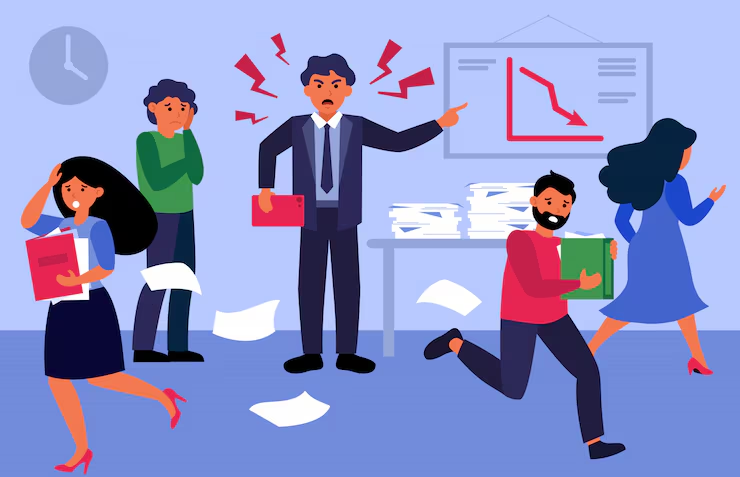
The software grows. The team doesn’t.
How Feature-First Thinking Breaks at Scale
At a certain point, features start colliding with each other.
Codebases get harder to reason about. Simple changes take longer. Launches stretch out because no one is fully sure what might break.
Users feel it too. Interfaces get crowded. Mental load increases. Support tickets rise because the product explains itself less clearly than it used to.
None of this feels like a single failure. It feels like friction everywhere.
That’s usually a process problem disguised as a product problem.
As products grow, this friction becomes more obvious in customer-facing systems too, which is why Why Clean Websites Convert Better Than “Creative” Ones applies beyond marketing.
Teams using tools like KOADZ often notice these issues sooner because workflows and surface-level changes are easier to test without heavy rebuilds.
The Hidden Cost of Missing Processes
When processes are missing, work repeats itself.
The same decisions get debated. The same bugs reappear. Knowledge lives in people’s heads instead of somewhere stable.
Engineers context-switch constantly. Meetings replace momentum. Small tasks expand because there’s no clear path from idea to release.
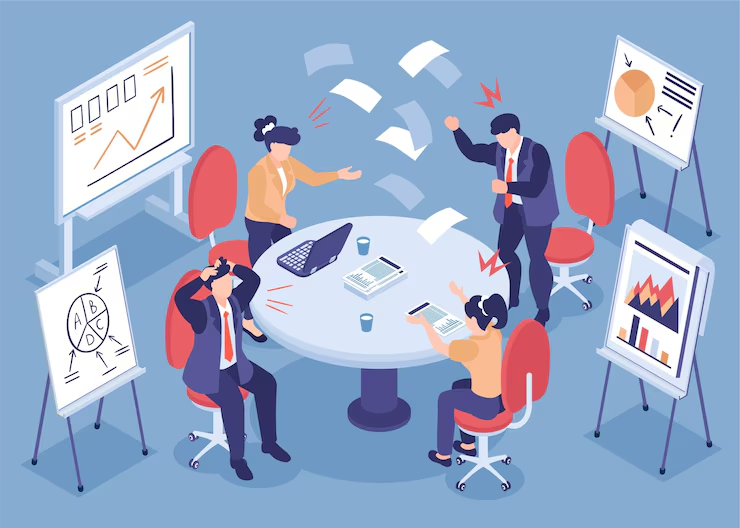
Without clear systems for deployment, feedback, or prioritization, everything depends on who happens to be available. That doesn’t scale.
It just exhausts the team.
Signals You Need Processes, Not More Features
Some signs show up consistently.
Cycle times stretch longer than expected. Features ship but adoption is low. Teams spend more time coordinating than building.
You’ll also see duplicated work across squads, unclear ownership, and recurring debates that never quite get resolved.
These aren’t signals to add more functionality. They’re signals to slow down and fix how work flows.
These breakdowns tend to show up first in coordination and response time, a challenge explored in Scaling Customer Support in High-Growth Businesses.
Processes Aren’t Bureaucracy If They’re Lightweight
The fear is always the same: processes will kill speed.
Bad ones do. Good ones remove drag.
A simple prioritization framework prevents low-impact work. A clear feedback loop keeps insights from disappearing into chat threads. Automation reduces manual steps no one wants to own.
The goal isn’t more rules. It’s fewer decisions that need to be re-made every week.
Short-Term Speed vs Long-Term Leverage
Features deliver short-term wins.
Processes deliver long-term leverage.
You can rush new releases and grow fast early on. But without systems to support onboarding, quality, and learning, that speed turns fragile.
Mature teams accept slower starts in exchange for steadier execution. They invest where effort compounds instead of burns out.
That tradeoff isn’t exciting, but it’s hard to copy.
Systems Before Surface Improvements
Experienced teams treat processes like product work.
They test them. Adjust them. Retire what doesn’t help. They don’t assume the first version is right.
That mindset carries over to tooling as well, where platforms like KOADZ let teams iterate on systems without treating every improvement like a major release.
Instead of asking “what should we build next,” they ask “what keeps slowing us down.”
The answer is rarely another feature.
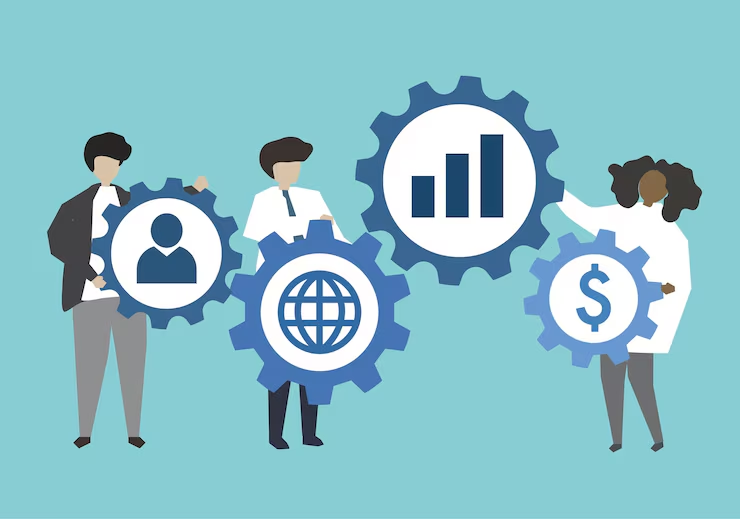
More often, it’s a missing system that would let the team do less work to get better results.