


Dashboards Look Healthy While Users Quietly Leave
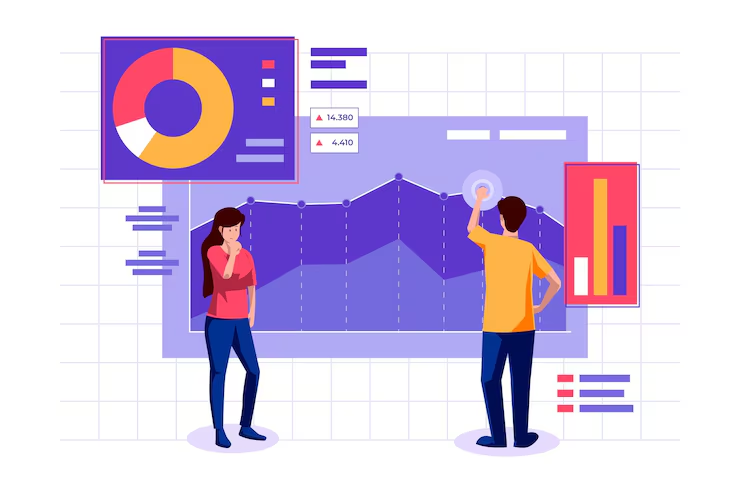
Most businesses feel good when the dashboard looks good.
Conversion rates hold. Traffic is stable. Revenue hasn’t dipped. Everything appears fine.
Meanwhile, customers are struggling in small ways that don’t register yet. They hesitate. They get confused. They abandon flows halfway through. They don’t complain. They just leave.
Performance metrics celebrate outcomes. Experience problems start long before those outcomes change.
This gap between what looks healthy and what actually feels broken shows up often, especially in systems that prioritize visibility over depth, as discussed in Why Attention Is the New Currency for Small Businesses in 2026.
Performance Tells You What Happened
Performance metrics answer questions after the fact.
What was the conversion rate?
How many people completed checkout?
How many tickets came in?
They’re useful, but they’re backward-looking. By the time they change, the damage is already done.
They confirm a problem. They don’t explain it.
Experience Tells You Why It Happened
Experience data lives closer to behavior.
It shows how people move, pause, hesitate, or get stuck. It captures emotion before action turns into numbers.
That’s the difference between knowing revenue dropped and knowing why someone didn’t feel confident clicking “confirm.”

Experience metrics act earlier because discomfort always shows up before churn.
Lagging Metrics vs Leading Signals
Lagging metrics summarize the past. They smooth over rough moments and average them into a score.
Leading signals are messier. They show friction in real time.
Long pauses. Repeated backtracking. Sudden exits on steps that used to work. Small changes in behavior that don’t look dramatic on their own.
Those signals are harder to track, but they surface problems while there’s still time to fix them.
Many teams only notice these signals once customers stop responding altogether, a pattern closely tied to Why Word of Mouth Stops Working After a Certain Size.
For teams acting earlier, KOADZ makes it easier to adjust customer-facing flows without waiting on full redesign cycles.
Experience Breaks Before Performance Does
Users tolerate a lot before leaving.
They’ll accept slow pages. They’ll retry failed actions. They’ll work around minor issues if the goal still feels reachable.
What they won’t tolerate is confusion.
Unclear next steps. Unexpected requirements. Interfaces that make them stop and think too often.
Experience fractures quietly. Performance stays flat until enough people give up at once.
Where Experience Leaks Actually Show Up
Experience problems don’t announce themselves clearly. They show up as patterns.
Confusion looks like repeated visits to help pages, unclear searches, or people bouncing between steps without progressing.
Friction shows up as effort. Too many fields. Too many clicks. Too much thinking for simple tasks.

Hesitation is the quietest signal. Pauses. Cursor movement without action. Returning to previous pages instead of moving forward.
None of these guarantee churn. But they predict it.
Why Numbers Alone Miss the Point
A score can look fine while people are struggling.
Someone can rate an experience highly and still feel annoyed by one specific step. That annoyance doesn’t always lower the score, but it affects whether they return.
Numbers compress experience. They flatten nuance.
Without context, they hide where the real friction lives.
This is one reason businesses struggle to interpret surface-level success, a tension explored further in The Real Cost of Not Owning Your Customer Data.
Qualitative Signals Fill the Gaps
Written feedback, chat transcripts, support tickets, and offhand comments reveal what metrics can’t.
They explain what felt confusing, unnecessary, or impersonal.
Patterns in language matter more than individual complaints. Repeated mentions of “unclear,” “hard to find,” or “not sure” usually point to real experience leaks.
This type of data is slower to process, but it’s closer to the truth.
Experience as an Early Warning System
Performance metrics tell you when something already broke.
Experience metrics tell you when something is starting to crack.
Maintaining visibility into those early cracks becomes easier when teams rely on tools like KOADZ to evolve experiences incrementally instead of reactively.
Watching behavior, hesitation, and sentiment gives you time. Time to fix issues before churn spikes. Time to adjust flows before revenue drops.

Experience doesn’t replace performance tracking.
It explains it early, quietly, and often before anyone panics.