
How Customers Decide Where to Eat or Order From
For most diners in 2025, the decision happens before they ever see your storefront. It starts with a search on their phone. People look for clear answers fast. They want to know what you serve, whether you are open, and how easy it will be to order or visit.
Search engines now favor food business websites that load quickly, display accurate information, and feel reliable. Customers interpret a well-built website as a signal of professionalism. If a site feels slow, incomplete, or confusing, they assume the experience will be the same and choose another option within seconds.

(A customer choosing where to eat using their phone)
With conversational search becoming common, AI-driven food discovery is changing search and rewarding websites that are clear and structured.
This is why your website plays a direct role in revenue. It is not about design trends. It is about removing uncertainty at the exact moment customers are deciding.
What Food Business Visitors Look For First
When someone lands on your website, they are not browsing casually. They are checking a short list of essentials.
The menu is the first stop. Customers want to see prices, portion details, and real photos. They also look for dietary clarity. Clear menu structure reduces hesitation and speeds up decisions.
Next is timing and availability. Visitors want to know if you are open now, when the kitchen closes, and whether delivery or pickup fits their schedule. Accurate hours prevent frustration and lost orders.
Location and access come next. A precise address, Google Maps integration, and delivery coverage matter more than decorative elements. If reaching you feels unclear, customers move on.
Finally, people look for credibility. Professional photos, visible contact details, and consistent branding reassure customers that your business is established and trustworthy. Professional photos, clear contact details, and layout coherence matter because consistent brand presentation builds trust before a customer ever visits. A website that feels unfinished or outdated creates doubt, even if your food quality is high.
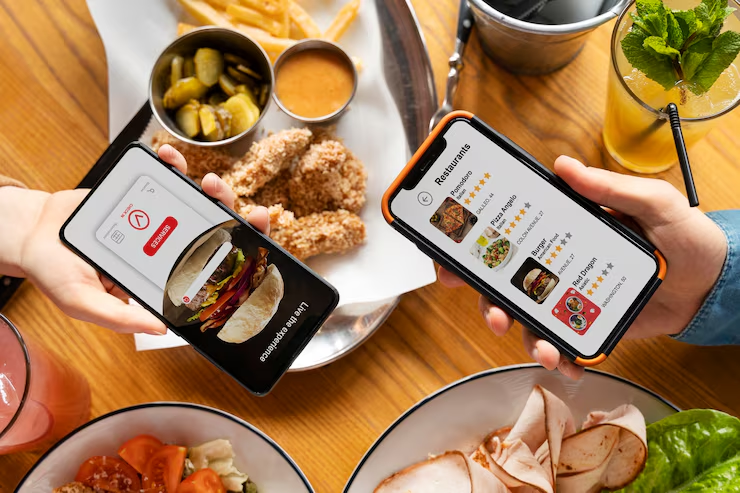
(Mobile phone displaying a restaurant website with menu)
Why Instagram Alone Is Not Enough
Instagram is valuable for visibility, but it is not designed to answer customer questions. Menus are often incomplete or outdated. Important details like allergens, full addresses, or booking rules are hard to find.
Search engines and AI discovery tools also cannot properly index Instagram content. This limits how often your business appears when people search with intent. Relying only on social media means relying on platforms you do not control.
Social platforms change constantly, which is why owning your content still matters for long-term visibility.
A website acts as your central source of truth. It supports search visibility, provides clarity, and builds long-term trust. Social media should support your website, not replace it.
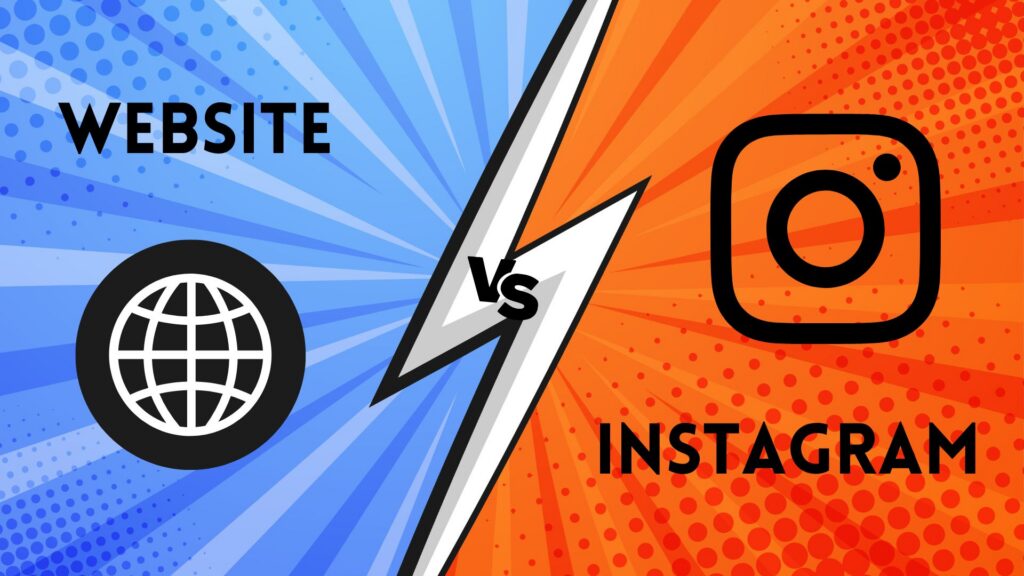
(Side-by-side view of an Instagram and website)
The Pages That Turn Visitors Into Customers
High-performing food websites share a clear structure that focuses on usability.
A strong menu page presents items clearly, updates easily, and works perfectly on mobile. It answers pricing and dietary questions without forcing customers to ask.
An about or story page explains who you are and why you exist. Sharing the thinking behind your food or the people behind the business builds emotional connection and loyalty.
A dedicated location and hours page removes uncertainty. Embedded maps, accurate opening times, and practical notes help customers plan confidently.
A simple contact and FAQ page shows accessibility. Clear answers to common questions reduce friction and increase trust.
An ordering or enquiry page converts interest into action. Whether it is online ordering, reservations, or catering requests, this page should be fast, reliable, and easy to use.
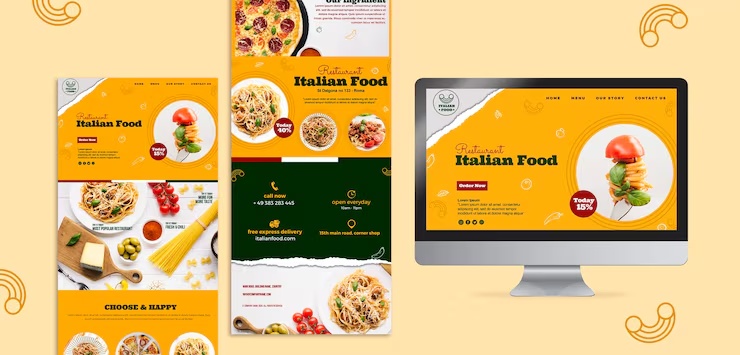
(Illustration showing different restaurant website pages such as menu, about, location, and contact)
For owners who want clarity before building or rebuilding, starting with a simple website foundation prevents costly mistakes later.
Mobile-First Is How Food Is Discovered
Most food searches happen on mobile devices, often in moments of urgency. Customers scroll quickly and tap instinctively. If your site loads slowly or feels difficult to use on a phone, they leave.
Search engines now judge your website primarily on its mobile experience. Fast load times, readable text, and clear buttons directly affect visibility and conversions.
Most food searches now happen on phones, which is why mobile-first design is how food is discovered today and directly affects visibility and conversions.
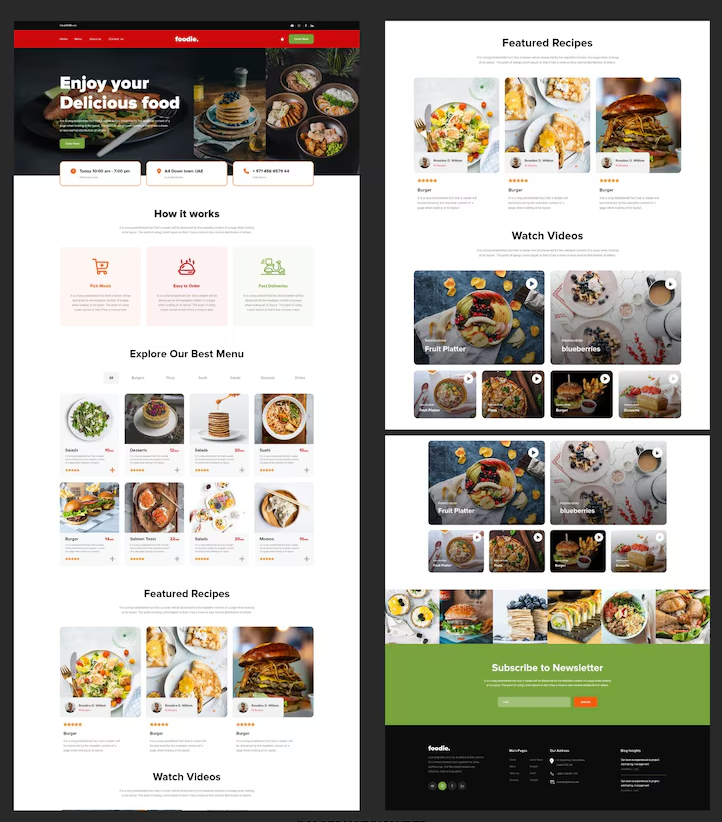
(Smartphone displaying a food business website)
For food businesses, mobile performance is not a technical detail. It is a sales factor.
How Koadz Fits Without Adding Complexity
Many food owners know they need a better website but feel overwhelmed by the process. This is where builders that generate a complete first version matter.
Koadz helps food businesses start with a structured, mobile-ready website that includes the pages customers actually look for. Instead of building everything from scratch, owners can focus on content and operations while the foundation is already in place.
This is where modern website builders that remove technical friction help food businesses launch faster without sacrificing performance.
(Dashboard of Koadz AI)
This approach removes technical friction while still leaving room to grow, customize, and scale as the business evolves.
A Website That Works While You Focus on Food
Your website should support your business even when you are offline or busy in the kitchen. It should answer questions, take orders, and build confidence without constant attention.
When done right, a food website becomes part of your daily operations. It attracts the right customers, sets clear expectations, and turns online interest into real visits and orders.

(People Cooking in a Restaurant)
In 2025, the most effective food businesses are not just easy to find. They are easy to choose. And that starts with a website built to do the work for you.
Image credits : Freepik