

In 2026, running a business from home in India is no longer a backup plan. For many stay-at-home parents, it has become a deliberate and empowering career choice. It offers flexibility, ownership, and income without compromising family life.
Improved internet access, UPI-based digital payments, affordable smartphones, and AI-assisted tools have quietly changed what’s possible. Today, it is realistic to start small, work around family routines, and grow steadily from home.
Across India, many successful micro-businesses did not begin with large investments or perfect plans. They began with clarity, consistency, and visibility.
This guide explores practical business ideas for stay-at-home parents in India that fit into real life and grow at a sustainable pace

(Stay-at-home parent teaching online using a laptop and headphones from home)
What Makes a Business Work for Stay-at-Home Parents?
Not every business idea suits family life. The most parent-friendly businesses tend to share a few important traits:
- Low upfront investment, keeping financial risk manageable
- Flexible working hours, so family always comes first
- Ability to operate online or from home, reducing daily travel
- Gradual scalability, without pressure to go full-time immediately
The aim is not to do everything at once. The aim is to build something that fits naturally into your routine and strengthens over time.

(A parent-friendly business fits around daily routines, not the other way around)
10 Practical Business Ideas for Stay-at-Home Parents in India
1. Online Tutoring or Skill-Based Coaching
Online tutoring continues to be one of the most stable work from home options in India. Parents are teaching everything from school subjects and languages to music, yoga, coding, and art using tools like Zoom or WhatsApp.
What works well here is structure. Clear schedules, defined offerings, and a simple online page explaining what you teach make a big difference in building trust beyond referrals.

(Stay-at-home parent teaching online using a laptop and headphones from home)
Slightly More Contextual Option
2.Home Bakery or Homemade Snack Business
Home-based food businesses are growing steadily, especially for regional snacks, healthy alternatives, and made to order items. Customers care deeply about hygiene, transparency, and consistency.
A single online page showing your menu, pricing, order process, and contact details often converts curiosity into repeat orders.

(Home baker preparing fresh snacks in a kitchen workspace)
As food businesses grow, many owners move from informal ordering to a simple website that clearly explains menus and ordering details. If you are new to this, our guide on how to start a website for your restaurant business covers the essentials in a practical way.
3. Freelance Writing, Editing, or Translation
If you have strong language skills, freelancing allows you to work with clients across India and globally. Many parents start on platforms but eventually move toward direct clients.
A small website showcasing services, samples, and availability helps position your work professionally and attracts better-paying opportunities over time.

(Freelance professional working on a laptop from a home workspace)
4.Handmade Products or Small Direct-to-Consumer Brands
From candles and jewellery to baby products and home decor, handmade brands perform best when they feel personal and transparent.
Customers want to know who is behind the product. A basic website helps tell your story, present your catalogue clearly, and handle enquiries more confidently, even if most sales happen through social media.

(Handmade craft products arranged on a table, representing a small home-based brand
5. Social Media Management for Local Businesses
Many local businesses know they need an online presence but do not know where to start. If you enjoy planning content and communicating clearly, managing social media for clinics, shops, or service providers can become a reliable income stream.
Having a clear services page instantly separates you from casual creators and builds credibility with business owners.

(Social media manager planning content and engagement for a local business using a tablet)
6. Online Reselling or Curated Stores
Reselling works best when it is curated thoughtfully. Whether it is clothing, accessories, or home goods, customers trust sellers who present products clearly and explain policies upfront.
Even a simple one-page website can make a reselling business feel more established than relying only on direct messages.

(Small reselling business owner handing products to a customer in a curated store setting)
7.Virtual Assistant Services
Virtual assistants support founders with emails, scheduling, research, and day-to-day operations. This role values reliability, organisation, and communication more than constant availability.
A clear online profile outlining your services and working hours helps clients feel comfortable delegating important tasks to you.

(Virtual assistant working remotely on a laptop while communicating with a client)
8.Coaching or Consulting Services
Parents with experience in corporate roles, teaching, HR, or counselling often move into coaching or consulting. This might include career guidance, life coaching, or wellness support.
Trust is everything in these services. When information is structured clearly and expectations are transparent, people feel more confident reaching out.
Clear positioning, consistent messaging, and a visible online presence all contribute to credibility, especially when people are deciding who to reach out to. This is where building a personal brand becomes a practical advantage rather than a buzzword.

(Coach conducting an online consulting session from a home workspace)
9.. Digital Products and Online Courses
Digital products like planners, worksheets, guides, and recorded lessons allow you to build once and sell repeatedly. They work especially well when the problem and outcome are clearly explained.
Simple previews, FAQs, and clear pricing reduce hesitation and save time answering repetitive questions.
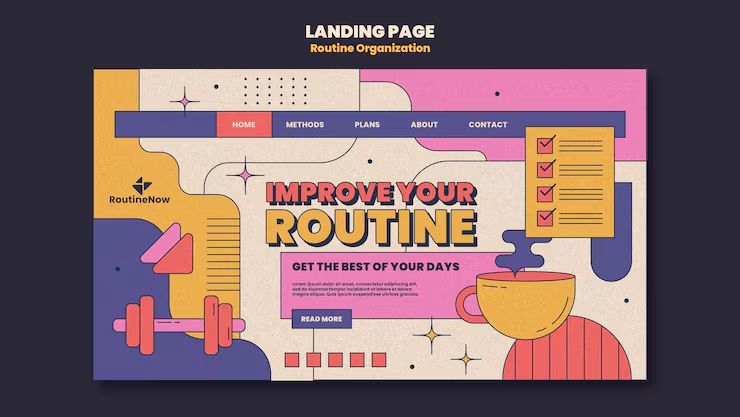
(Landing page design for a digital product or online course)
10. Community-Based Services
Community-focused ideas such as tuition coordination, local parenting groups, or support services often grow through word of mouth. However, they work best when information is not scattered across messages and groups.
Beyond service listings, many founders add value-driven local blogs that naturally attract attention and trust. This could include content like a guide to the best local restaurants, a new parents resource for the neighbourhood, school and activity comparisons, or curated rankings of nearby services and businesses.

(Person browsing local reviews and recommendations on a mobile phone)
Over time, these blogs become useful reference points for the community. They help people discover local options, share recommendations, and return regularly for updated information.
A basic website brings all of this together. It acts as a central hub for services, local content, and community resources that people can revisit anytime and easily share with others. Tools like Koadz help simplify this process by generating a clear, structured starting point, so founders can focus on building value for their community rather than managing technical setup.
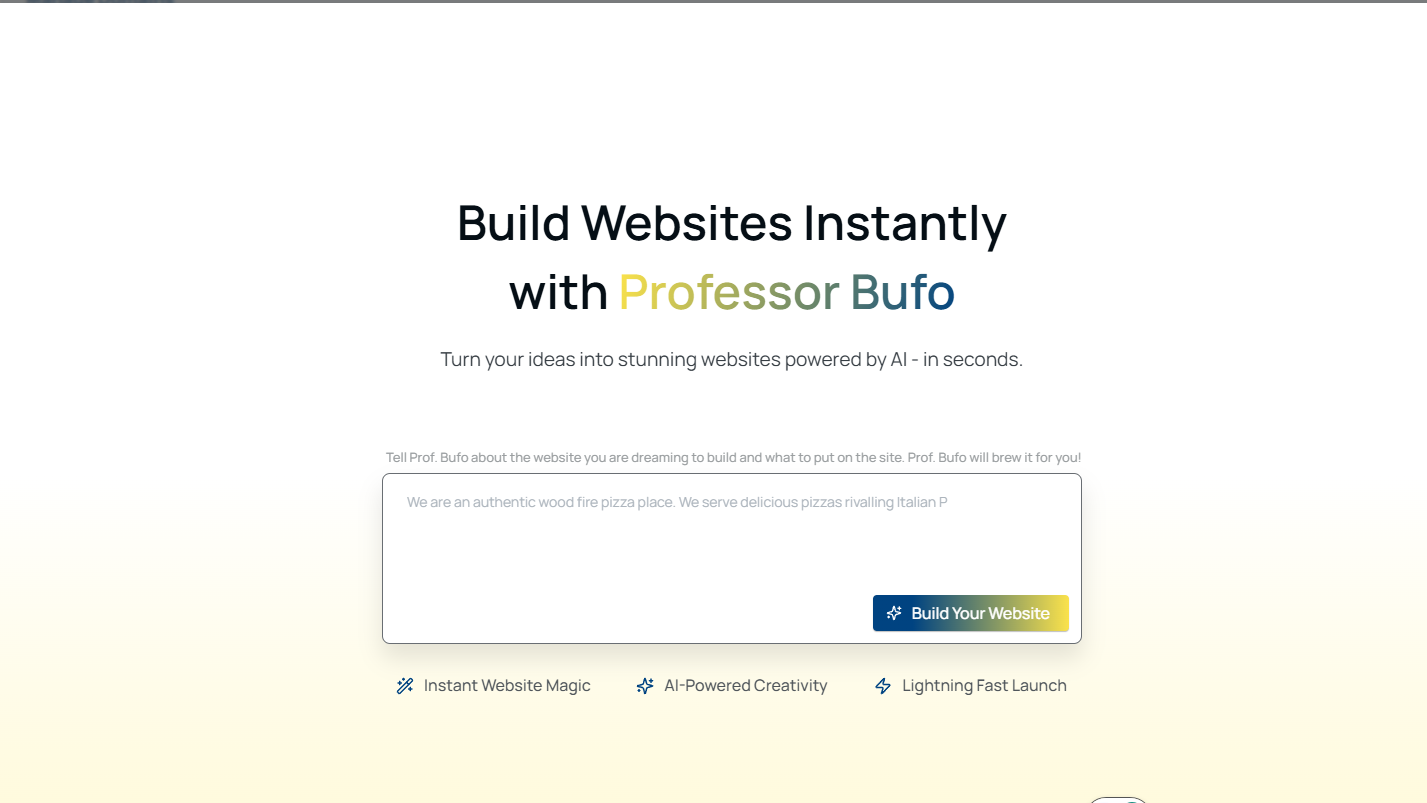
(Koadz dashboard showing an AI-powered website builder interface)
Today, many founders also rely on AI-powered website builders to generate a usable first version quickly, without spending weeks on design or technical decisions.
Why Visibility Matters More Than Complexity
Many home businesses start on WhatsApp or Instagram. That is often enough in the beginning. Growth slows when people cannot quickly understand what you do, how to reach you, or whether you are reliable.
As search and discovery increasingly happen through AI-driven tools, clarity also affects whether your business gets surfaced at all. Understanding how businesses show up in AI answers is becoming part of modern visibility.

(New business owner setting up a website on a desktop computer)
A website does not have to be complicated. It simply creates clarity.
For many stay-at-home parents, tools that generate a ready-to-use website and handle layout, structure, and mobile responsiveness remove a major mental barrier. This makes it easier to focus on customers instead of technical details
For many first-time founders, knowing what to prepare before launching is harder than building itself. This beginner website checklist breaks the basics into simple, manageable steps.

(Stay-at-home parent spending time with their child in a calm home setting)
Start Small. Stay Consistent. Grow Naturally.
You do not need to launch everything at once.
Start with:
- One clear offering
- One simple message
- One place online where people can understand you without explanation
Consistency matters more than speed. Visibility builds trust. Trust leads to growth.
Most successful home businesses did not begin with confidence. They began with one small step, taken consistently.
If you already have a skill or idea, you are likely closer than you think.

(Founder standing confidently after building an online business)
A Thought for Founders Building from Home
Turning an idea into something structured often starts with making it easier for others to understand you. Clear information, a simple online presence, and a professional first impression can quietly change how people respond to your work.
Sometimes, growth does not come from doing more. It comes from presenting what you already do more clearly.
Images credit : Freepik