
Professional opportunities no longer begin with introductions.
They begin with search results.
In 2026, resumes still exist, but they no longer carry first impressions. That role now belongs to websites. A resume summarizes experience. A website explains value, thinking, and intent.
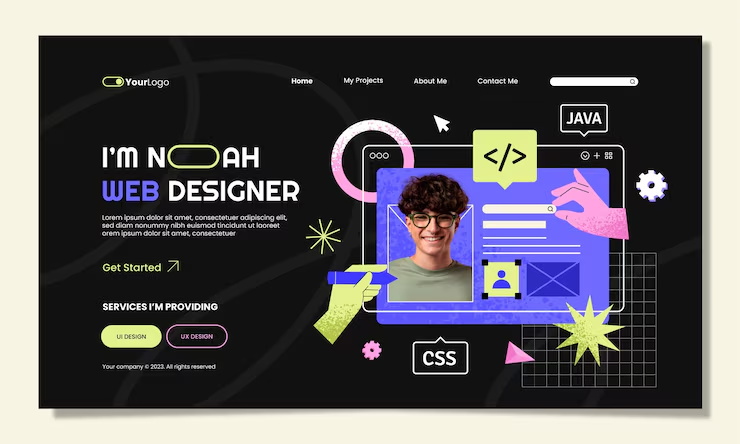
(Personal website acting as a modern resume in 2026)
As hiring, partnerships, and client decisions move faster, people rely on what they can understand quickly and independently. A personal website has become the most complete professional signal available. It functions as a resume, a portfolio, and a credibility check at the same time.
How Hiring, Partnerships, and Trust Checks Happen Today
Hiring rarely starts with a call anymore.
Partnerships do not begin with meetings.
Trust is formed long before direct interaction.
Recruiters search names. Clients research before replying. Partners scan online presence before committing time. These checks are quiet, informal, and decisive.
A LinkedIn profile may be the first stop, but it is never the last. Decision-makers look for additional context. They want to understand how someone thinks, communicates, and positions their work.
This early evaluation answers a single question:
Is this person worth engaging with further?
Your digital presence answers it before you do.
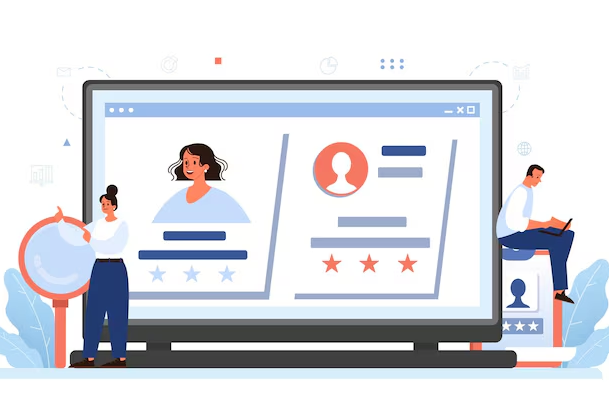
(Recruiters and clients researching professionals online before making decisions)
Why PDFs and Short Bios Feel Increasingly Insufficient
Resumes and bios were designed for an era of limited visibility.
They compress careers into bullet points and assume that credentials alone establish trust. Today, that compression works against professionals.
PDF resumes are static. They capture experience at a fixed moment and provide little room for explanation or nuance. Short bios reduce complex work into surface-level summaries that describe outcomes but not reasoning.
At the same time, automated screening tools evaluate relevance across multiple signals, not single documents. Human reviewers compare dozens of similar profiles in minutes. When information lacks depth, differentiation disappears.
Resumes still open doors, but they rarely explain why someone belongs on the other side.
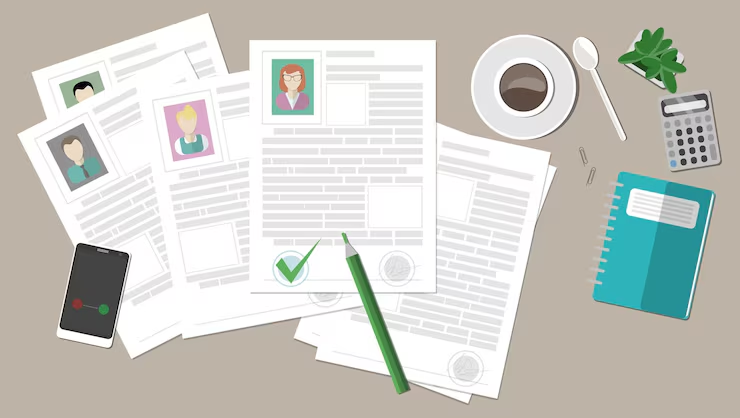
(Traditional PDF resumes compared to modern digital professional profiles)
How a Website Demonstrates Thinking, Clarity, and Seriousness
A website changes what is visible.
Instead of listing credentials, it shows how someone thinks. Instead of summarizing work, it explains decisions, trade-offs, and intent.
Clear structure reflects clarity of thought. Case studies reveal judgment, not just results. Written explanations demonstrate how problems are approached and solved. Even visual consistency signals seriousness and attention to detail, a topic explored further in The 2026 Guide to Brand Image Consistency Across Your Website.
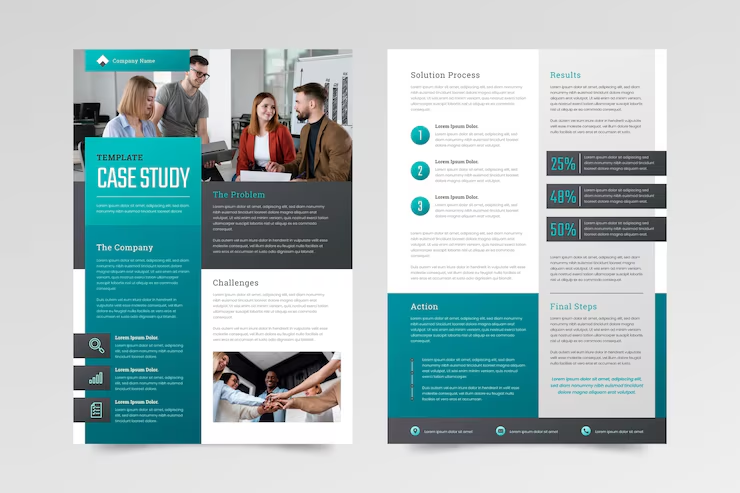
(Personal website case study showing case study tempalte)
This is why blogging has not disappeared but evolved. Writing is no longer about traffic alone. It is about making thinking visible, as explored in Is Blogging Dead in 2026? Or Has Its Role Quietly Changed?
For decision-makers, these signals mirror real working behavior. That makes websites more trustworthy than polished summaries.
Why AI, Recruiters, Clients, and Decision-Makers Pay Attention to Websites
Evaluation today is layered and automated.
AI systems increasingly pull information from multiple digital sources to form summaries and recommendations. Websites provide structured, original context that AI tools can interpret more accurately, which is why showing up correctly matters, as detailed in How Businesses Can Show Up in AI Answers in 2026.
Recruiters use websites to assess communication skills before interviews. Clients treat them as risk-reduction tools before committing budgets. Partners and investors look for consistency, depth, and long-term intent.
Unlike social platforms, websites are controlled environments. Unlike resumes, they are not limited by format. They allow professionals to guide interpretation by both machines and humans.
Many people use modern builders and lightweight systems such as Koadz to organize case studies, structure explanations, and make complex work easier to explore. The value lies not in the tool itself, but in how clearly it presents thinking.
(AI systems and recruiters evaluating professional websites for credibility)
Your Digital Presence Speaks Before You Do
Before any introduction happens, your digital presence has already made one.
It has communicated clarity, credibility, and seriousness. It has shaped expectations without announcing itself.
A website does not replace a resume. It completes it. It gives depth to credentials and meaning to experience. It allows your thinking to remain visible even when you are not present.
(Digital presence shaping first impressions before professional conversations)
For those ready to act, resources like How to Build a Personal Brand in 2026 and the Beginner Website Checklist: 12 Things to Prepare Before You Launch provide a practical starting point.
In 2026, opportunities belong to those who are understood early.
Your digital presence is no longer background context.
It is the first conversation you have with the world.
Make sure it says what you intend.
Image credits : Freepik