
In 2025, attention is not scarce. It is decisive.
Before someone evaluates your product, your pricing, or your credibility, they make a faster judgment. Do I pause or do I move on?
Most businesses never get that pause.
People discover brands today in fragments. A short video while scrolling. A recommendation inside an AI answer. A quick glance at a website before the back button gets clicked.

(Illustration representing the attention economy, competing for focus)
If your message does not register immediately, quality never gets a chance to matter.
Discovery Is Fragmented and Unforgiving
Discovery is no longer deliberate.
People do not sit down to compare ten options. They encounter businesses while doing something else. Waiting. Scrolling. Asking an AI tool for a shortcut.
This is why attention is now the real bottleneck, not traffic.
This shift is explored deeper in How Businesses Can Show Up in AI Answers in 2026, where discovery increasingly happens without traditional search behavior at all.
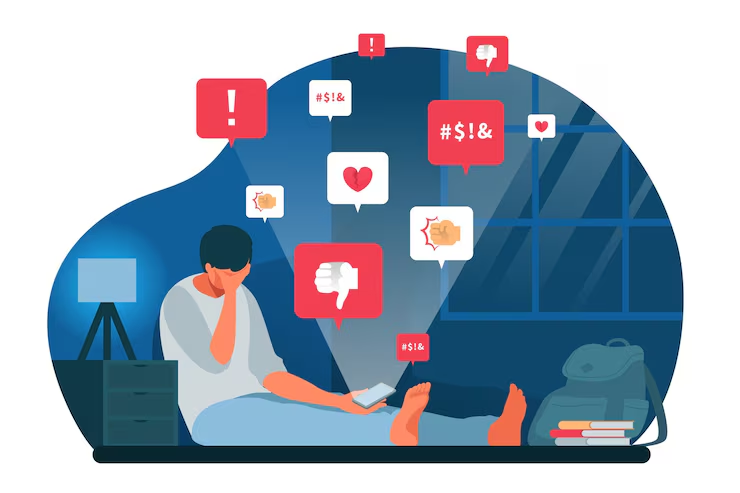
(Illustration of people overwhelmed by multiple digital feeds, representing fragmented attention and modern content discovery.)
You are not competing for clicks anymore. You are competing for comprehension.
Visibility Beats Perfection Early On
Many small businesses still follow an outdated playbook. Build quietly. Perfect the product. Launch when everything is ready.
That approach fails in an attention-driven market.
Momentum comes first now. Refinement comes later.
This is why brands with simple positioning often outperform technically better competitors. They are easier to understand quickly.

(Visual comparison showing a simple, clear idea standing out among complex and cluttered alternatives.)
The same pattern shows up in personal brands and founders, which is why How to Build a Personal Brand in 2026: A Practical Guide for Everyone resonates so strongly with early-stage operators.
If people cannot summarize what you do after a few seconds, you are invisible.
Attention Is the Signal Everyone Watches
Attention is no longer a vanity metric. It is a proxy for relevance.
Customers trust what feels familiar.
Partners gravitate toward what shows momentum.
Investors look for signals that a market is paying attention.
This is why businesses with modest resources but clear narratives often outpace larger competitors who communicate poorly.

(Illustration showing rising audience engagement and attention as a signal of business relevance and growth.)
It is also why procrastination and hesitation quietly kill growth, a dynamic explored in The Psychology Behind “I’ll Do It Later” and Why It Quietly Kills Momentum.
Attention compounds only when action happens early.
Clarity Is What Makes Attention Stick
Getting attention once is accidental. Keeping it is intentional.
Attention lasts when three things are immediately obvious:
- What you do
- Who it is for
- Why it matters
This is where most businesses fail. They overload visitors with features, jargon, or generic claims.

(Illustration representing clear communication and structured information that helps users understand content quickly.)
Clear communication is not about simplicity. It is about orientation.
If clarity is missing, attention disappears.
Where Tools Quietly Shape Attention
Attention is influenced by the tools you use to present information.
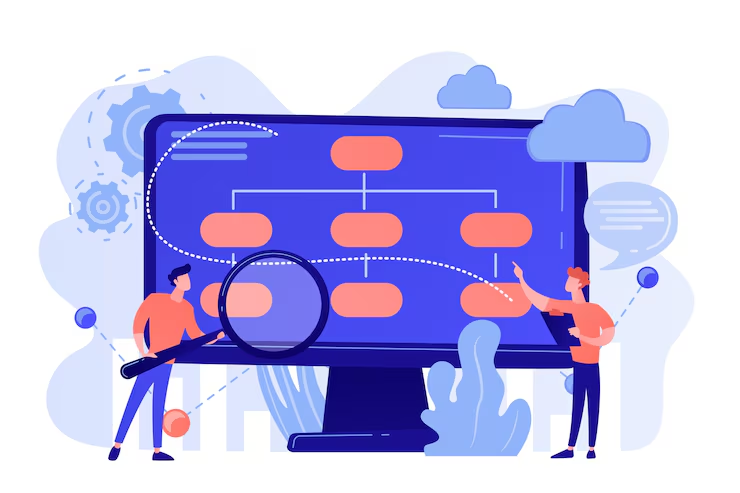
(Illustration of a streamlined digital workflow helping businesses present information clearly and consistently.)
Platforms that reduce friction help businesses stay consistent. Publishing becomes easier. Messaging becomes repeatable.
This is where the Koadz platform fits naturally. Instead of forcing attention through aggressive tactics, it helps businesses structure and surface key information cleanly so visitors understand what matters without being overwhelmed.
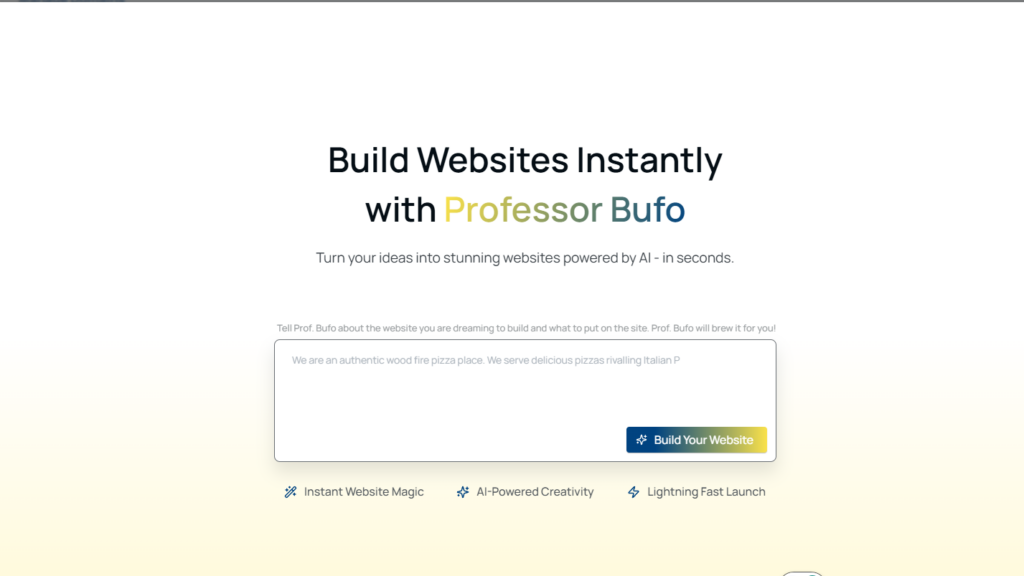
(Build your own website at Koadz today)
When clarity is easy to maintain, consistency follows.
Consistency is what turns attention into something durable.
You Never Own Attention
One of the most dangerous assumptions businesses make is thinking attention is permanent.
It is not.
Algorithms change. Platforms decay. Formats lose reach.
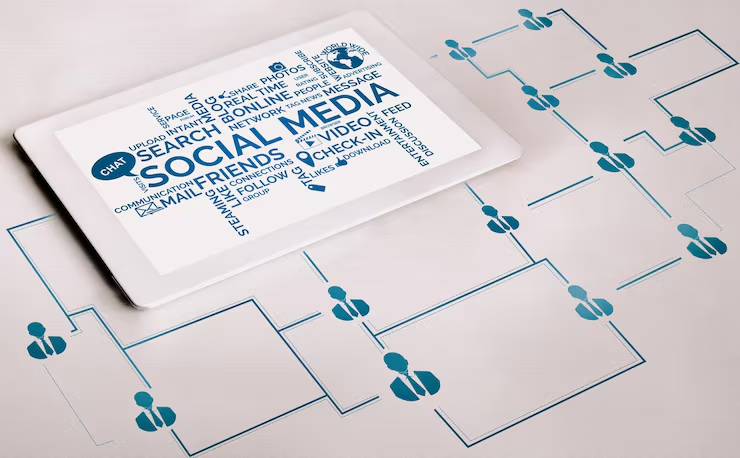
(Illustration showing changing digital platforms and trends, emphasizing the temporary nature of online attention.)
This is why relying on one channel is fragile, a theme echoed in Is Blogging Dead in 2026? Or Has Its Role Quietly Changed?
The businesses that survive do not chase trends blindly. They build systems that earn attention repeatedly by staying relevant and understandable.
Small Businesses Have a Hidden Advantage
Small businesses can move faster than large ones.
They can adjust messaging quickly.
They can test ideas without approvals.
They can speak plainly instead of defensively.
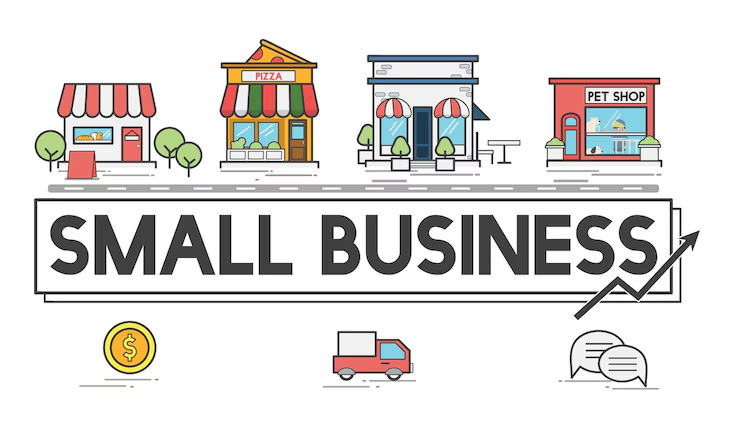
(Illustration of a small business team adapting quickly, highlighting speed and flexibility as a competitive advantage.)
This advantage is amplified when paired with strong fundamentals like mobile-first experiences, covered in Mobile-First Design: Why It’s the Only Approach That Works in 2025.
Speed plus clarity beats budget plus bureaucracy.
Turning Attention Into Trust
Attention alone does not build a business. Trust does.
Trust forms when attention has somewhere to land.
A clear website structure.
Obvious explanations.
Visible proof.
This is why high-performing websites convert better, a concept explored practically in Beginner Website Checklist: 12 Things to Prepare Before You Launch.
When people do not have to search for answers, credibility forms naturally.
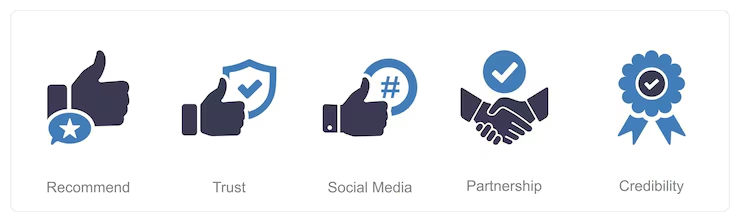
(Illustration representing trust and credibility built through clear website structure and accessible information.)
Again, this is where tools like Koadz help quietly. They reduce the friction between curiosity and understanding, allowing attention to turn into belief instead of bouncing away.
The Real Shift in 2025
We live in an era of content abundance and clarity scarcity.
People are overwhelmed, not uninformed.
The businesses that win do not try to say more. They try to be understood faster.
They design for how people actually behave. Skimming. Scrolling. Asking AI. Deciding quickly.

(Illustration of a person pausing while scrolling on a phone, symbolizing the moment when attention is captured)
This philosophy runs through your broader work, especially The 2026 Guide to Brand Image Consistency Across Your Website.
Consistency makes clarity scalable.
Final Question
Every business faces the same test now.
If someone sees you for a few seconds, do they stop?
If not, it is rarely a design issue or a marketing issue. It is a clarity issue.
Attention is the gate.
Clarity is the key.
And unlike algorithms or budgets, clarity is one advantage you can deliberately build.
Image credits : Freepik