
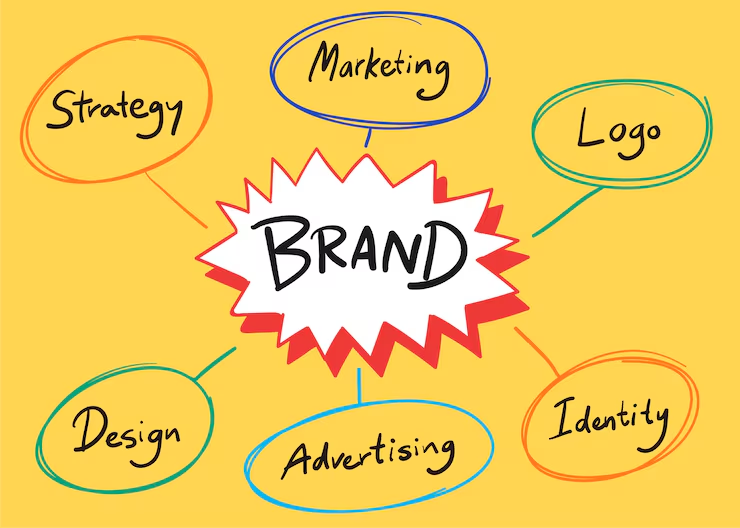
A decent product or service alone is insufficient for a successful business. It needs a strong brand that distinguishes it from competitors and instills trust in customers. But branding is more than just having an appealing logo, the proper colors, and elegant typefaces. A website can look beautiful and still fail to explain what the business does and how it benefits its customers.
Good design attracts attention, but clear communication helps them understand you. Before investing in visual branding, businesses must understand what sets them apart, why customers should select them, and what they want people to remember. After all, no amount of visual perfection can compensate for an unclear brand message.
In our previous blog AI Website Builder vs Traditional Builder, we explored the benefits of using an AI website builder to create a website that guides visitors, creates leads, and helps your business flourish.
With an AI Website Builder, website building without a developer is becoming easier, allowing businesses to secure an online presence without getting entangled in complex codes.
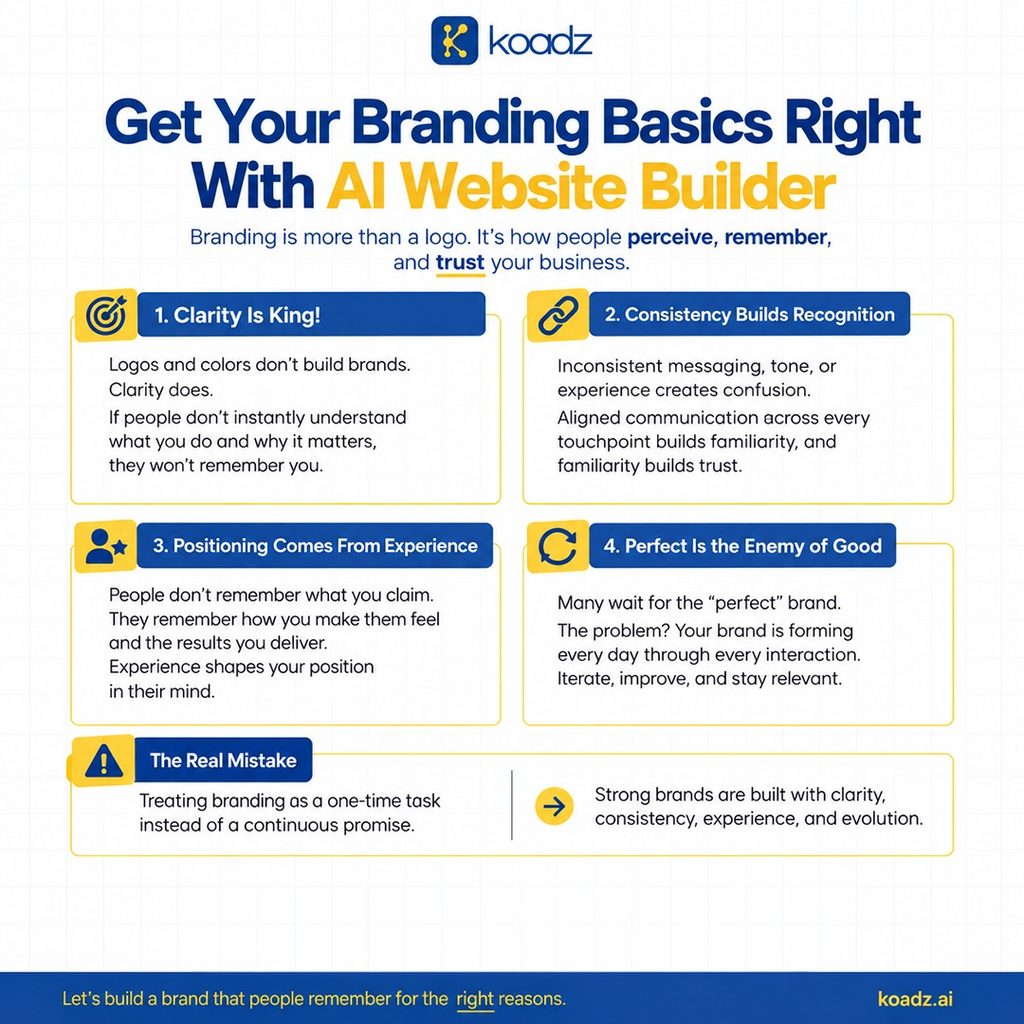
1. Clarity Forms the Basis of Recognition
People remember a brand based on what they understand and take away from their experience with it, rather than its colors or design. They remember if the business was clear about what it offers, whether it matched their expectations, and what made it truly different from other options. Even a visually stunning design will be ineffective if a visitor to your website does not understand what your business does.
The objective is to define your business in a single, basic statement that tells people what you do and why it matters. However, many businesses attempt to communicate too much at once. They want to list every feature, appeal to every type of customer, and talk about everything that makes them unique. During the process, their message becomes so generic that it sounds like any other business. For example, saying “We help businesses thrive” reveals little about what you truly do. A more specific statement explaining who you help, how you help them, and what to expect is significantly more memorable. The more clearly you communicate your value, the easier it is for people to understand, remember, and choose your brand.
2. Consistency Requires Alignment Between Message and Experience
Having a consistent look helps customers recognize your brand, but familiarity alone is insufficient. People may have seen your company logo on many platforms and still have no idea what you offer. If they don’t understand what your business stands for, simply knowing your brand won’t help build trust or encourage them to choose you.
Another common problem is that businesses convey different meanings through their website and marketing materials. The homepage may emphasize one benefit, the About Us page may highlight another, and product descriptions may convey an entirely different idea. Despite the fact that everything appears to be in order, the message becomes disorganized.
To build a strong brand, each piece of communication must support the same basic theme. For example, if speed is what distinguishes your company, make sure that message is consistent throughout your website and marketing materials. You can undoubtedly provide additional perks, such as customization, but attempting to spotlight everything equally may make it tough for consumers to recall what makes you unique. Determine what you want your brand to be recognized for, and ensure that every message emphasizes that idea.
3. Positioning Gets Determined by Experience, Not Claims
A brand is defined not by what a business says about itself, but by what its customers actually experience. Any company can claim to be innovative, customer-friendly, or the greatest in its industry. However, these claims have little meaning until customers see them represented in the products, services, and overall experience. Your brand image evolves over time, beginning with a customer’s first visit to your website and progressing through all interactions with your business.
Many businesses describe themselves in terms of what they aspire to be rather than what they actually provide. This can result in a discrepancy between what they promise and what customers experience. For example, a website may claim to offer the easiest solution but requires customers to sit through a demo call only to find out the price. Such experiences can rapidly undermine the brand’s promise, regardless of how appealing the website looks.
The goal is to ensure that your actions match your message. If you want your brand to be known for its transparency, make your pricing and processes simple to understand. If you offer simplicity, ensure that your website and services are truly user-friendly. These are not just marketing considerations; they are integral to how you run your business. When your promises match the actual experience, you give customers a genuine reason to trust your brand.
4. Rapid Iteration Enables Brand Development
Branding isn’t something you do once and consider finished. As your company expands, you learn more about your clients, what they respond to, and why they prefer you over your competition. Your brand messaging should evolve with these insights. Traditional branding processes can take months, and by the time everything is finished, customer expectations and market conditions may have shifted.
The faster you launch your brand, the sooner you’ll know what works and what has to be improved. Waiting until everything is perfect might lead to a loss of valuable feedback and make it more difficult to meet changing client needs.
If you’re wondering how to create a website without coding, Koadz makes it possible to launch a functional website in minutes, allowing you to get your brand message out there, evaluate how people react, and make modifications along the way. Instead of wasting time attempting to make everything perfect right away, start with a clear message and modify it as you learn.
Ultimately, a strong brand is one that people understand, remember, and trust. You earn that trust by communicating clearly, keeping your message consistent, and ensuring that the experience you provide matches what you promised.
Conclusion
Building a successful brand entails more than just designing a visually appealing logo or website. Learning how to build a strong online brand presence begins with a clear message, a consistent brand identity, and a true grasp of your clients’ needs. When your words reflect the experience you provide, you develop trust and give customers a reason to select you over your competition. With Koadz, you can quickly launch your website, put your brand out there and continue to improve as you discover what works best for your clients. Ready to build your website? Visit koadz.ai or email info@koadz.ai to get started.